Why Americans Are Saying No to Local AI Data Centers
The Growing Backlash Against Local AI Data Centers
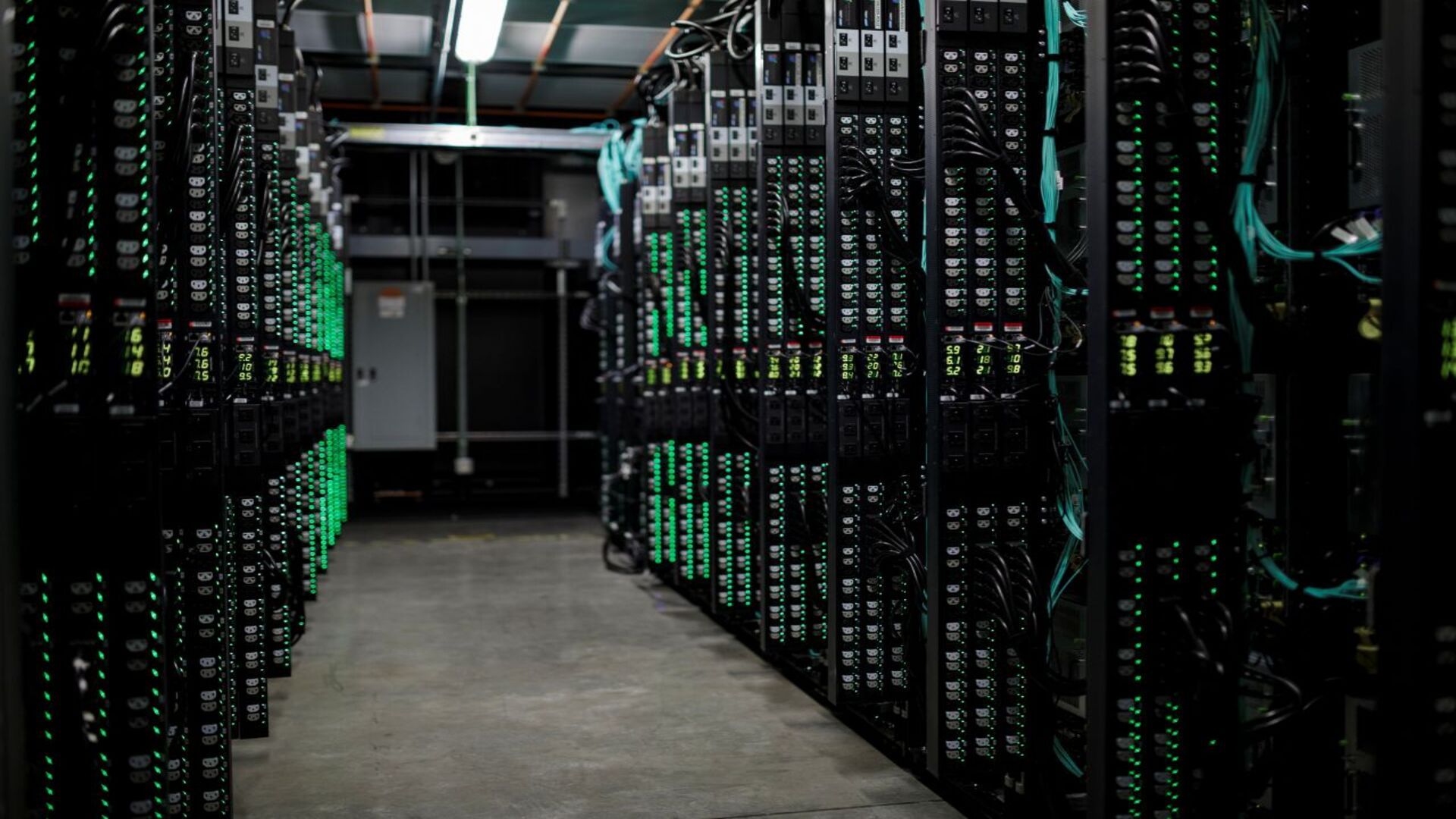
A recent national poll captured a striking shift in public sentiment toward the placement of AI infrastructure in residential neighborhoods. Respondents expressed strong opposition to new data centers that would occupy local land, consume large amounts of electricity, and draw significant water resources. The concerns reflect a broader dialogue about how emerging technologies integrate into everyday life and who bears the costs.
Why Communities Are Pushing Back
Residents cite a mix of practical and symbolic reasons for their resistance. The most frequently mentioned issues include:
- Resource consumption: Data centers require continuous power and cooling, often relying on municipal electricity grids and water supplies.
- Land use: Large facilities can occupy acres that might otherwise serve housing, agriculture, or recreation.
- Local impact: Noise, traffic, and visual intrusion can alter the character of neighborhoods.
- Economic fairness: Many feel that the promised jobs and tax revenue are outweighed by the strain on public services.
These points illustrate a perception that the benefits of AI development are not being shared equitably. Communities want to see investments that directly improve local quality of life rather than projects that primarily serve distant corporate interests.
Economic and Environmental Concerns
From an economic standpoint, the upfront cost of building a data center can be substantial. Municipalities often offer incentives such as tax breaks or streamlined permitting to attract operators. However, the long‑term financial returns can be limited if the local tax base does not expand proportionally. In several regions, officials have reported that the anticipated boost to employment fell short of projections, leaving residents with a sense of missed opportunity.
Environmentally, the demand for cooling systems places pressure on water resources, especially in areas already experiencing drought. Energy consumption also raises questions about the carbon footprint of AI services when the local grid relies heavily on fossil fuels. Advocates for renewable integration argue that without a clear plan for clean power, new data centers could undermine broader climate goals.
Policy Implications and Pathways Forward
Policymakers face the challenge of balancing innovation with community concerns. Several strategies have emerged as potential solutions:
- Transparent siting processes: Requiring public hearings and detailed impact assessments can help align project locations with community priorities.
- Community benefit agreements: Formal agreements that allocate a portion of tax revenue or jobs to local residents can create tangible incentives.
- Renewable energy mandates: Linking new facilities to on‑site solar or wind generation can reduce reliance on the municipal grid.
- Modular design: Smaller, distributed units can spread the workload and reduce the footprint of any single installation.
These approaches suggest that opposition does not necessarily mean a halt to AI development. Instead, they point to a need for more collaborative planning that respects local priorities while still enabling technological progress.
The Role of Public Discourse
Media coverage and social platforms have amplified the debate, bringing national attention to specific cases where communities have blocked proposed sites. The conversation highlights a growing expectation that technology companies will engage authentically with the people affected by their projects. When dialogue is perceived as token or superficial, resistance tends to harden.
Looking Ahead
The trend revealed by the poll indicates that public tolerance for unchecked infrastructure expansion is waning. Stakeholders across government, industry, and civil society will need to craft solutions that address legitimate concerns without stifling innovation. Successful outcomes will likely depend on clear communication, equitable benefit sharing, and a commitment to sustainable practices.
Takeaway
Americans are increasingly wary of local AI data centers because of resource demands, land use, and perceived economic inequity. Effective mitigation requires transparent planning, community benefits, renewable energy integration, and modular designs. By aligning development with local values, the industry can move forward while maintaining public support.