Hidden Pentagon Tech Unit Raises Oversight Concerns and Sabotage Questions
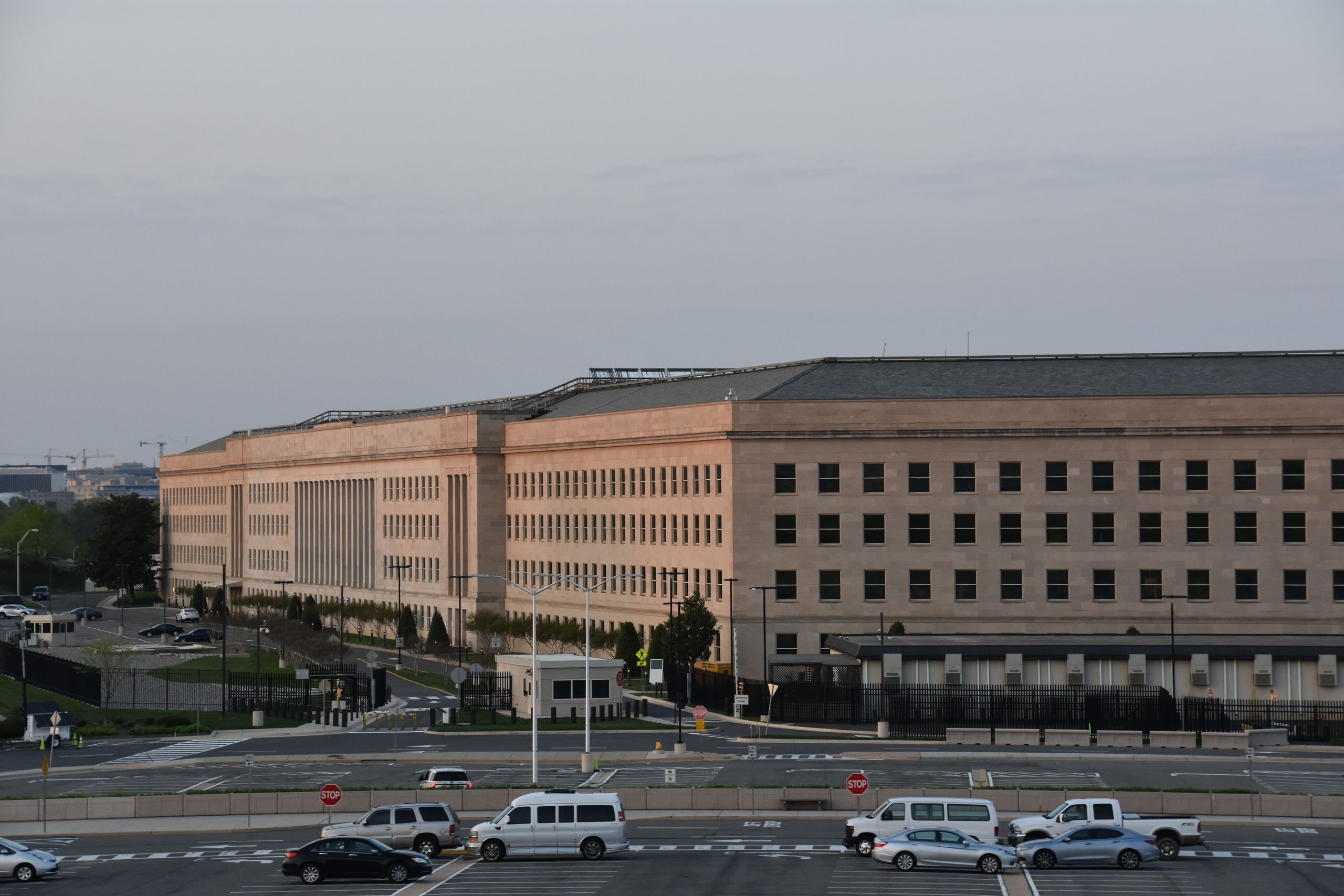
The Shadow Agency Within the Pentagon
Recent discussion in defense and technology circles has highlighted the existence of a covert office inside the Pentagon that focuses on disrupting foreign technology. The unit is said to employ a mix of disinformation, cyber intrusion and physical sabotage to achieve its objectives. While the precise name of the office remains classified, its activities have sparked debate about transparency and accountability in national security operations.
Strategic Rationale Behind the Program
Proponents argue that the initiative addresses a perceived gap in the ability to counter adversaries that leverage commercial technology for military advantage. By targeting the supply chain and design phases of foreign products, the agency aims to slow the adoption of systems that could be repurposed for hostile purposes. The approach is framed as a proactive measure to protect national security interests without resorting to open conflict. The program also seeks to deter adversaries from acquiring technologies that could be reverse engineered for weapons systems.
How the Unit Operates
Disinformation Campaigns
- Creation and distribution of false technical documentation to mislead foreign developers.
- Planting of misleading specifications in open source repositories to steer projects off course.
- Use of social media personas to amplify doubts about rival systems.
Cyber Intrusion
- Deployment of custom malware targeting foreign hardware manufacturers and software supply chains.
- Exploitation of vulnerabilities in network infrastructure to exfiltrate design files.
- Coordination with allied intelligence services to synchronize attacks across multiple fronts.
Physical Sabotage
- Insertion of compromised components into production lines that later fail under operational stress.
- Manipulation of calibration equipment to degrade performance of exported devices.
- Staging of staged accidents in logistics hubs to delay or destroy critical shipments.
Oversight Gaps
The unit operates under a veil of secrecy that limits external scrutiny. Congressional committees that normally review defense programs have limited access to budgets and operational details. Internal oversight appears to rely on a chain of command that reports directly to senior Pentagon officials, bypassing typical audit trails. Critics argue that without clear reporting structures and independent review, the agency could overstep legal boundaries or pursue actions that harm civilian markets. Without transparent reporting, the risk of mission creep and unintended escalation remains a serious significant concern.
Historical Context and Precedents
Similar covert efforts have been documented in earlier eras, when nations manipulated supply chains to gain strategic advantage. The modern iteration builds on those lessons while leveraging digital tools that were unavailable in the past. Understanding this lineage helps frame the current debate and informs expectations about how the program might evolve.
International Reactions and Countermeasures
Foreign governments and industry groups have expressed concern over the potential for unintended collateral damage. Some nations are investing in redundancy and diversification of supply chains to reduce exposure. Technology firms are also increasing verification procedures for components and software libraries, seeking to detect tampering early. The emerging tension may accelerate the fragmentation of global tech standards as countries pursue more autonomous development paths.
Potential Implications for Global Tech
If the sabotage efforts succeed, foreign technology sectors may face increased costs, delayed product launches and loss of competitive edge. Companies that rely on imported components could experience supply chain disruptions that ripple through industries ranging from automotive to aerospace. Moreover, the perception that a major military power is actively undermining commercial tech may prompt other nations to accelerate their own defensive measures, leading to a more fragmented and contentious global market.
In sum, the hidden Pentagon initiative represents a shift toward aggressive, covert influence over global technology markets. Its methods blur the line between military action and commercial competition, prompting calls for clearer rules and stronger oversight.
Takeaway
- The covert Pentagon unit blends disinformation, cyber attacks and physical sabotage to target foreign tech.
- Oversight mechanisms are currently insufficient, raising concerns about accountability.
- The broader tech ecosystem could see heightened risk and uncertainty as a result of these hidden operations.