Ukraine’s 25g Drone Antenna Promises Unprecedented Transmission Range
Introduction
The rapid evolution of unmanned aerial systems has reshaped modern warfare and civilian operations alike. Recent developments from Ukraine illustrate how compact engineering can deliver outsized capabilities. A new antenna unveiled by BlueBird Tech weighs just 25 grams yet is described as capable of transmitting over an incredible range. This breakthrough highlights a trend toward miniaturization without sacrificing performance, a lesson that resonates across defense, agriculture, and infrastructure sectors.
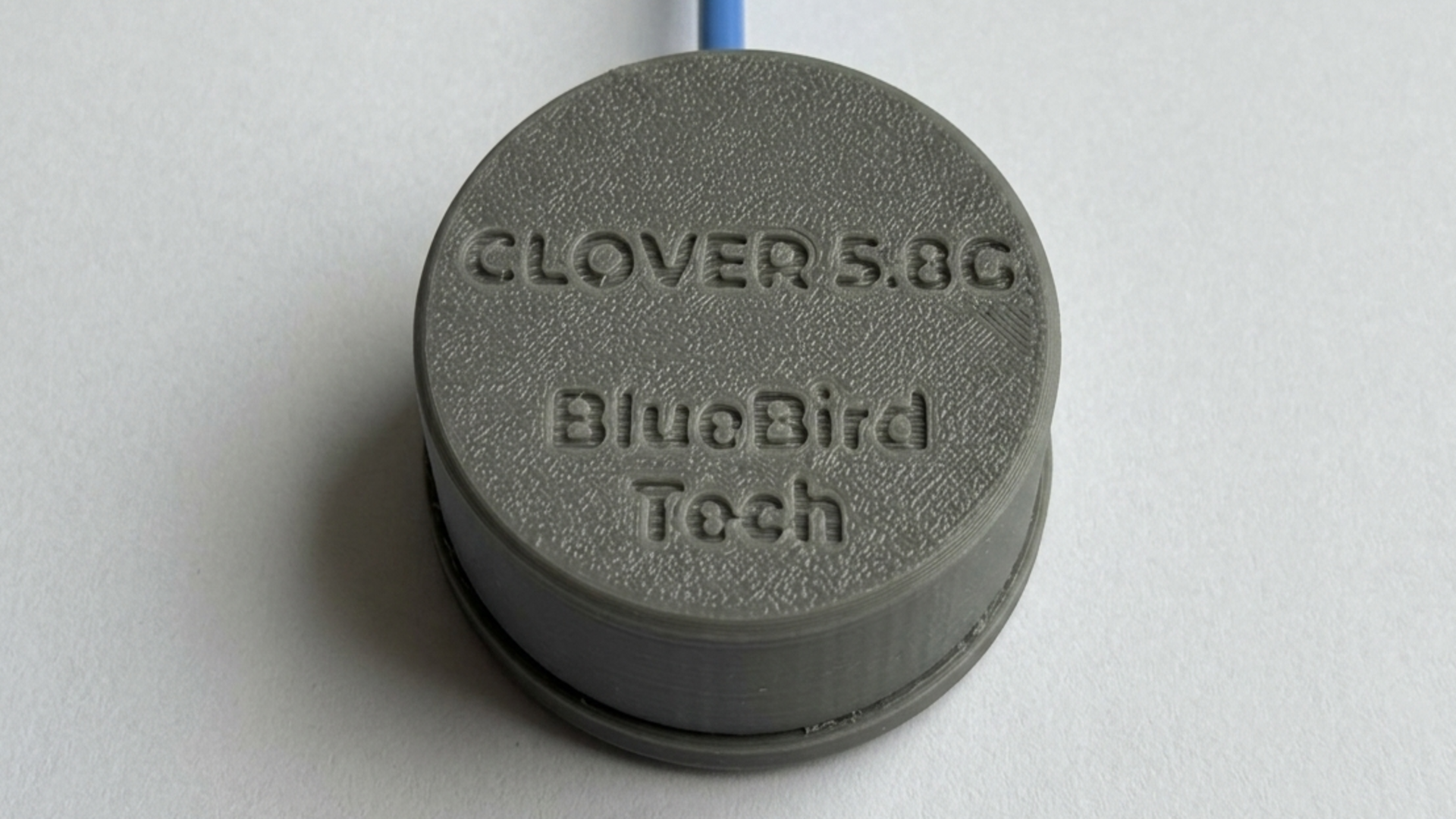
The antenna unveiled
BlueBird Tech introduced the lightweight antenna as part of a broader suite of components for drones, monitoring equipment, measurement systems, and ground‑based robotic platforms. The design prioritizes low mass and high efficiency, allowing integration on small aerial vehicles that traditionally struggle with power and payload constraints. By leveraging advanced materials and optimized geometry, the antenna maintains signal integrity across frequencies that support high‑definition video, telemetry, and command links.
Key characteristics include:
- Weight: 25 grams, reducing overall drone mass and extending flight time.
- Range: Described as capable of transmitting over an incredible distance, enabling operations beyond visual line of sight.
- Compatibility: Works with existing communication modules and can be retrofitted onto a variety of platforms.
The technology reflects a shift toward modular, plug‑and‑play components that can be swapped quickly in the field. This adaptability is crucial in dynamic environments where mission requirements can change rapidly.
Potential applications
The antenna’s versatility opens several practical use cases:
- Drone operations: Enhanced link reliability supports longer missions, precision agriculture, and search‑and‑rescue efforts.
- Monitoring equipment: Enables real‑time data transmission from remote sensors placed in hazardous or inaccessible areas.
- Measurement systems: Facilitates accurate telemetry for scientific research, such as atmospheric sampling or wildlife tracking.
- Ground‑based robotic platforms: Provides robust communication for autonomous vehicles operating in coordinated swarms.
Each application benefits from the antenna’s ability to maintain a stable connection while operating under challenging conditions, such as urban canyons or mountainous terrain.
Strategic implications
The introduction of a 25‑gram antenna with extended reach carries strategic weight for Ukraine and for the broader defense community. First, it demonstrates that even modest investments in component engineering can yield disproportionate operational advantages. Second, it may accelerate the adoption of similar technologies by allies seeking to enhance their own unmanned capabilities without the need for large, power‑intensive transceivers.
From a supply‑chain perspective, the antenna’s design relies on widely available materials, reducing dependence on scarce specialty components. This could lower costs and shorten production timelines, making the technology more accessible to smaller organizations and civilian users.
Potential challenges include ensuring secure communications in contested electromagnetic environments and managing interference with other systems operating in the same spectrum. Ongoing research will need to address encryption, frequency agility, and resilience against jamming.
Takeaway
- A 25‑gram antenna from BlueBird Tech offers a compelling example of how miniaturization can unlock new operational possibilities for drones and robotic systems.
- The technology’s range and compatibility suggest broad applicability across military, civilian, and commercial domains.
- Adoption of such compact, high‑performance components may reshape how organizations design, deploy, and sustain unmanned platforms.