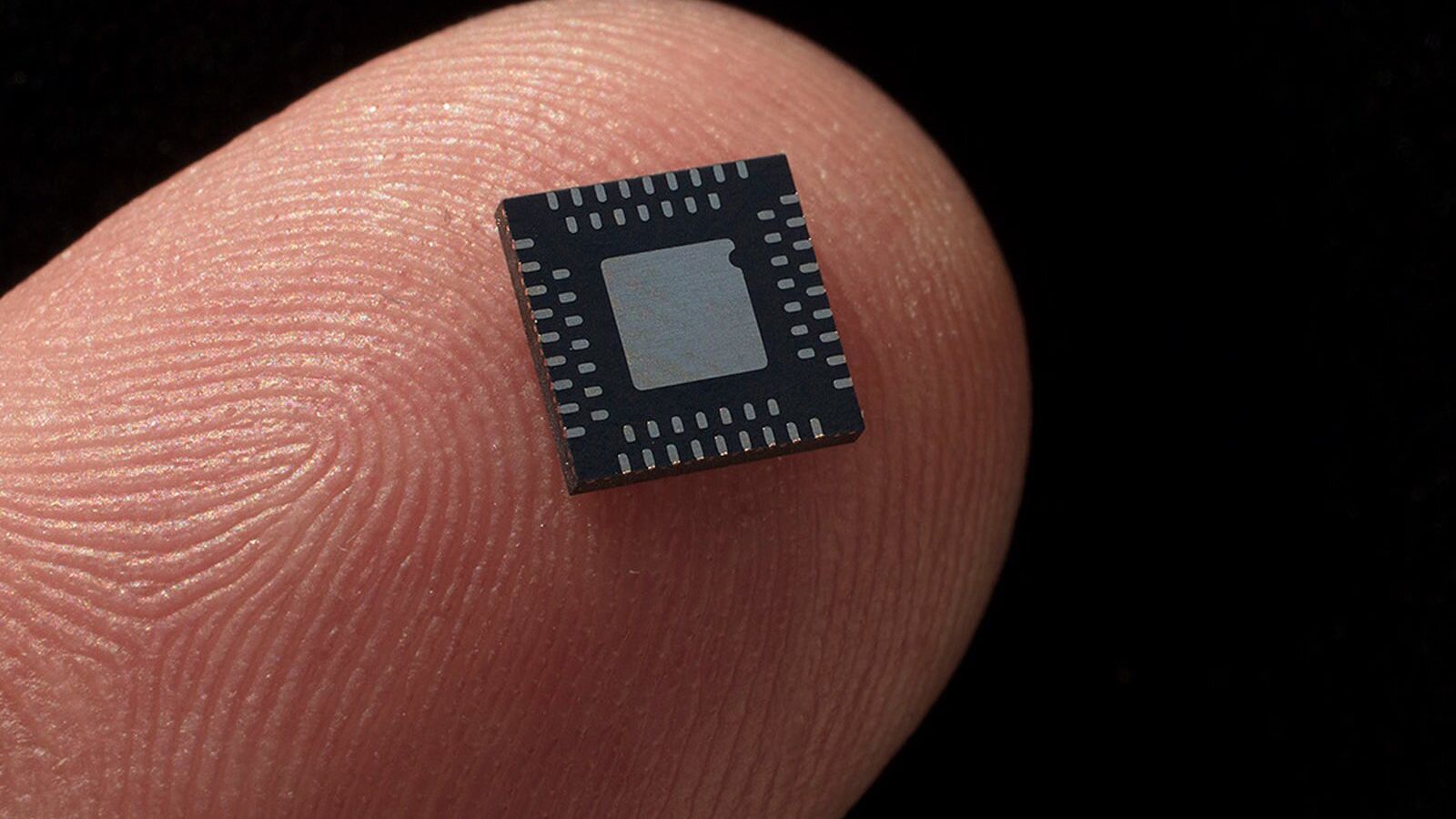
Thunderobot’s AI Master M7000 Pushes Local AI Limits with Ryzen AI Max+ and SSD-RAM Hybrid
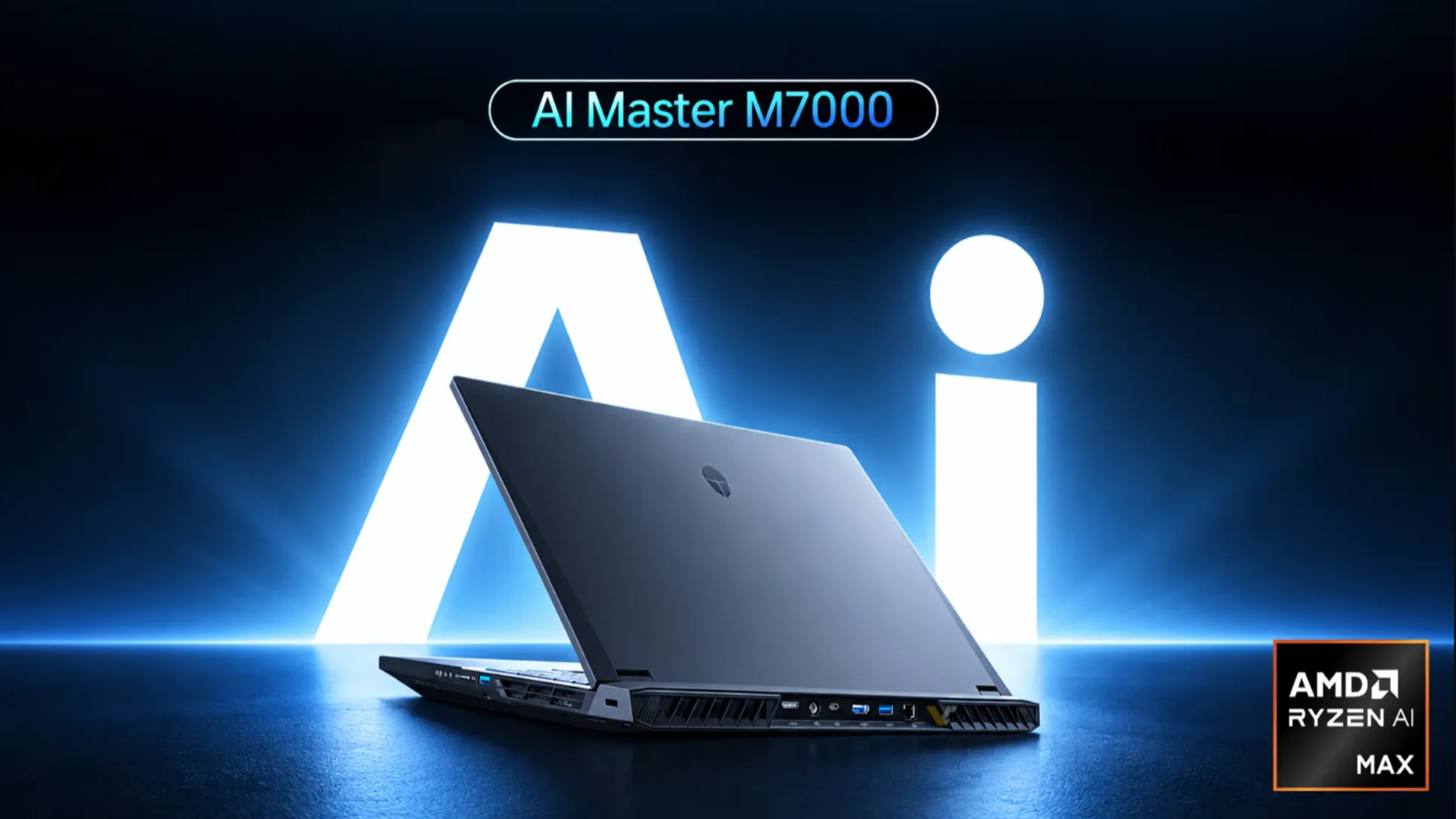
The AI Master M7000 Explained
Thunderobot has introduced a laptop that aims to redefine what local artificial intelligence can do. The device pairs AMD’s Ryzen AI Max+ 395 processor with 64GB of system memory and an unconventional storage solution that functions like additional RAM. This combination is designed to run very large AI models directly on the machine without relying on cloud services.
The laptop’s name, AI Master M7000, signals a focus on high‑performance inference. By integrating an SSD that behaves like RAM, the system can keep more model weights in fast memory, reducing the latency that typically occurs when data must be fetched from traditional storage.
Why the SSD‑RAM Hybrid Matters
Traditional laptops separate RAM and storage. RAM provides fast access but is limited in capacity, while SSDs offer large capacity but slower read speeds. The M7000’s architecture blurs that line. The SSD is configured to act as an extension of the RAM pool, creating a unified memory space that can hold a larger portion of a model’s parameters.
- Increased parameter capacity - The hybrid setup effectively raises the amount of data that can be stored in fast memory, allowing the laptop to load a 120B parameter model locally.
- Reduced data transfer bottlenecks - With more parameters residing in the SSD‑RAM layer, the processor spends less time waiting for data, which improves overall inference speed.
- Power efficiency - SSDs consume less power than DRAM when idle, which can help preserve battery life during prolonged AI tasks.
Performance Implications
Running a 120B MoE (Mixture of Experts) model on a portable device is a notable achievement. MoE architectures distribute computation across many specialized sub‑networks, and they typically require substantial memory bandwidth. The M7000’s design addresses this challenge by providing a memory architecture that can sustain the high bandwidth demands of such models.
The Ryzen AI Max+ 395 includes dedicated AI acceleration cores that complement the CPU’s general processing capabilities. When combined with the expanded memory pool, these cores can execute inference tasks more efficiently, delivering results that approach those of larger, stationary systems.
For professionals who need on‑the‑go AI processing-such as data scientists, designers, and researchers-the ability to run large models locally can transform workflows. It eliminates the need to upload sensitive data to remote servers, reduces latency, and allows continuous work even without internet connectivity.
Market Context
The laptop arrives at a time when the industry is pushing the boundaries of edge AI. Competitors are also exploring ways to bring larger models to portable form factors, often through cloud‑assisted inference. Thunderobot’s approach demonstrates an alternative path that prioritizes local processing power.
Several trends underpin this development:
- Growing demand for privacy - Running AI locally avoids exposing proprietary or personal data to external services.
- Edge computing adoption - Enterprises are looking to deploy AI at the edge to reduce reliance on centralized infrastructure.
- Advances in hardware - New processors and storage technologies are making it feasible to pack more compute and memory into a laptop chassis.
The M7000 therefore aligns with broader industry movements while also highlighting the potential of creative hardware engineering. It suggests that future portable devices may routinely support models that today require powerful desktops or cloud resources.
Takeaway
Thunderobot’s AI Master M7000 illustrates how blending SSD and RAM capabilities can unlock new levels of local AI performance. By pairing AMD’s AI‑focused processor with a hybrid memory architecture, the laptop can handle massive MoE models that were previously out of reach for portable machines. This advancement points to a future where high‑end AI inference becomes a standard feature of laptops, offering faster, more private, and more flexible computing experiences.