Rising Chip Costs Outpace Panel Prices, Putting TV Makers in a Bind
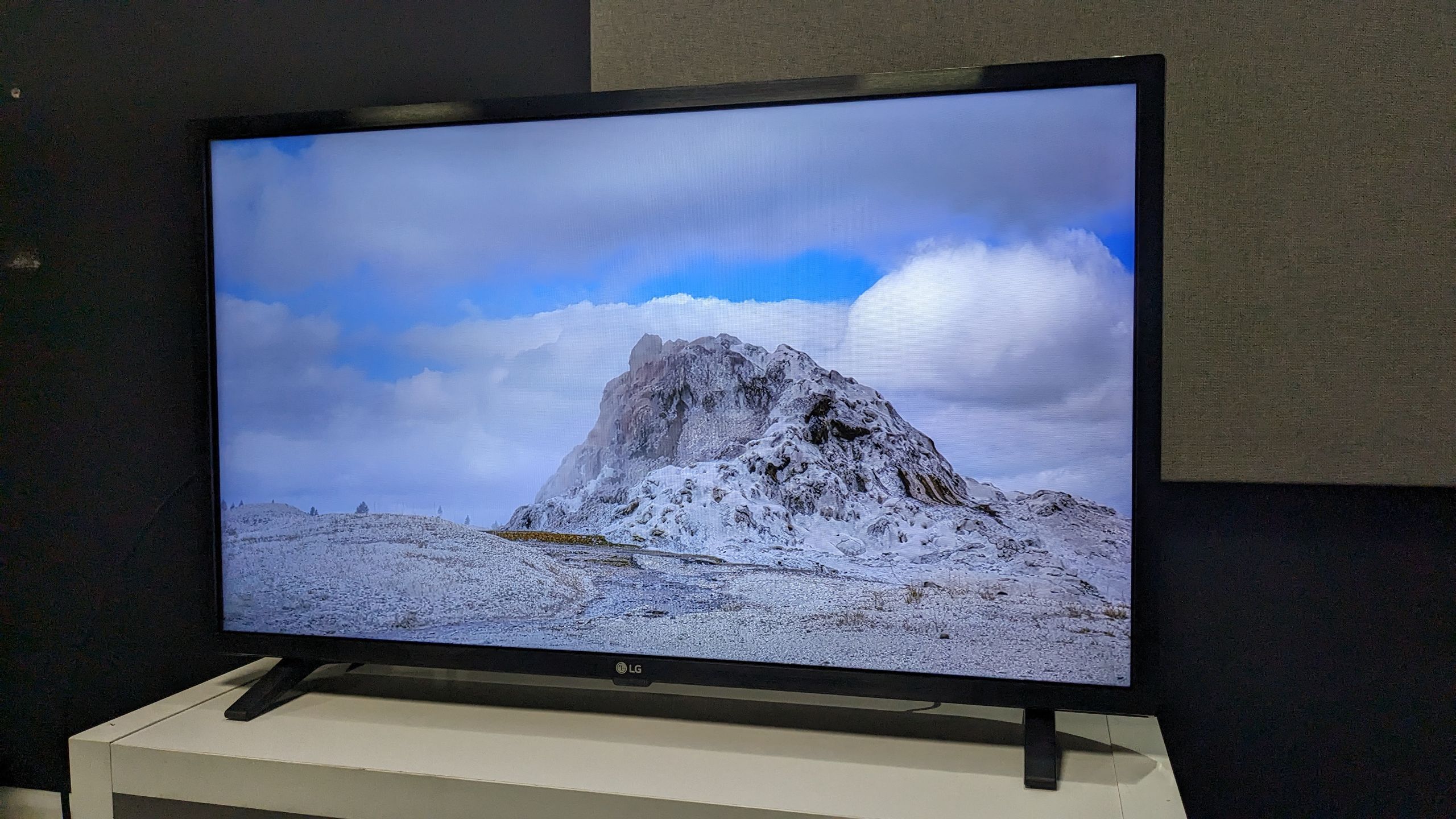
The Growing Component Cost Gap
The television industry is feeling the strain of a broader component shortage that has been amplified by artificial intelligence demand. Memory chips, Wi‑Fi modules and other essential parts have seen prices climb sharply, often exceeding the cost of the display panels themselves. This reversal of the usual cost hierarchy is reshaping how manufacturers budget for new product lines and forcing a rethink of traditional supply chain strategies.
Supply chain pressures
- Memory chips have become a major expense as production capacity struggles to keep up with demand from data centers and consumer electronics.
- Wi‑Fi and connectivity modules are also seeing price spikes due to limited foundry output and increased competition for raw materials.
- Power management ICs are in short supply, adding another layer of cost pressure for slim, energy‑efficient TV designs.
These components are now often more expensive than the LCD or OLED panels that dominate modern screens. The shift means that a typical mid‑range television may allocate a larger share of its bill of materials to the silicon inside than to the visual display itself.
How TV Manufacturers Are Responding
Manufacturers are adopting several tactics to mitigate the financial impact. Many are renegotiating contracts with suppliers, seeking longer payment terms, or diversifying their source base to include smaller, regional fabs. Some are redesigning products to reduce the number of high‑cost chips, for example by integrating functions into a single system‑on‑chip or by using alternative connectivity solutions that require fewer components.
Another strategy involves adjusting product mix. Premium models that command higher retail prices can absorb the increased component costs more easily, while entry‑level offerings may see reduced feature sets or delayed launches. In some cases, companies are shifting production to regions where labor and logistics costs are lower, hoping to offset the higher component expenses.
Cost management techniques
- Consolidating functions into fewer chips reduces both component count and procurement complexity.
- Negotiating volume discounts with suppliers remains a key lever, though the limited supply environment makes this challenging.
- Extending product lifecycles allows manufacturers to amortize higher component costs over a longer sales period.
What This Means for Consumers
The component cost surge is likely to influence the retail landscape in several ways. Prices for new televisions may rise, especially for models that incorporate the latest connectivity and processing features. Consumers may also notice fewer frequent updates to lower‑priced lines as manufacturers focus resources on higher‑margin products.
On the positive side, the pressure to reduce component usage could accelerate innovation in integrated silicon, leading to more efficient and capable televisions over time. Additionally, as manufacturers seek alternative suppliers, regional production may increase, potentially shortening delivery times for some markets.
Potential outcomes
- Higher retail prices for feature‑rich TVs as component costs are passed down.
- Slower refresh cycles for budget models, as companies prioritize premium segments.
- Improved integration in future designs, offering better performance with fewer parts.
Takeaway
The television sector is navigating a rare scenario where the silicon inside a set now costs more than the panel that defines its visual experience. This inversion is driving manufacturers to rethink design choices, supplier relationships and product strategies. For consumers, the immediate effect may be higher prices and fewer frequent updates at the lower end of the market, while long‑term benefits could include more integrated and efficient televisions.