Kioxia bets on ultra‑fast SSD to slash AI memory costs and escape DRAM trap
The race to replace DRAM in the AI era
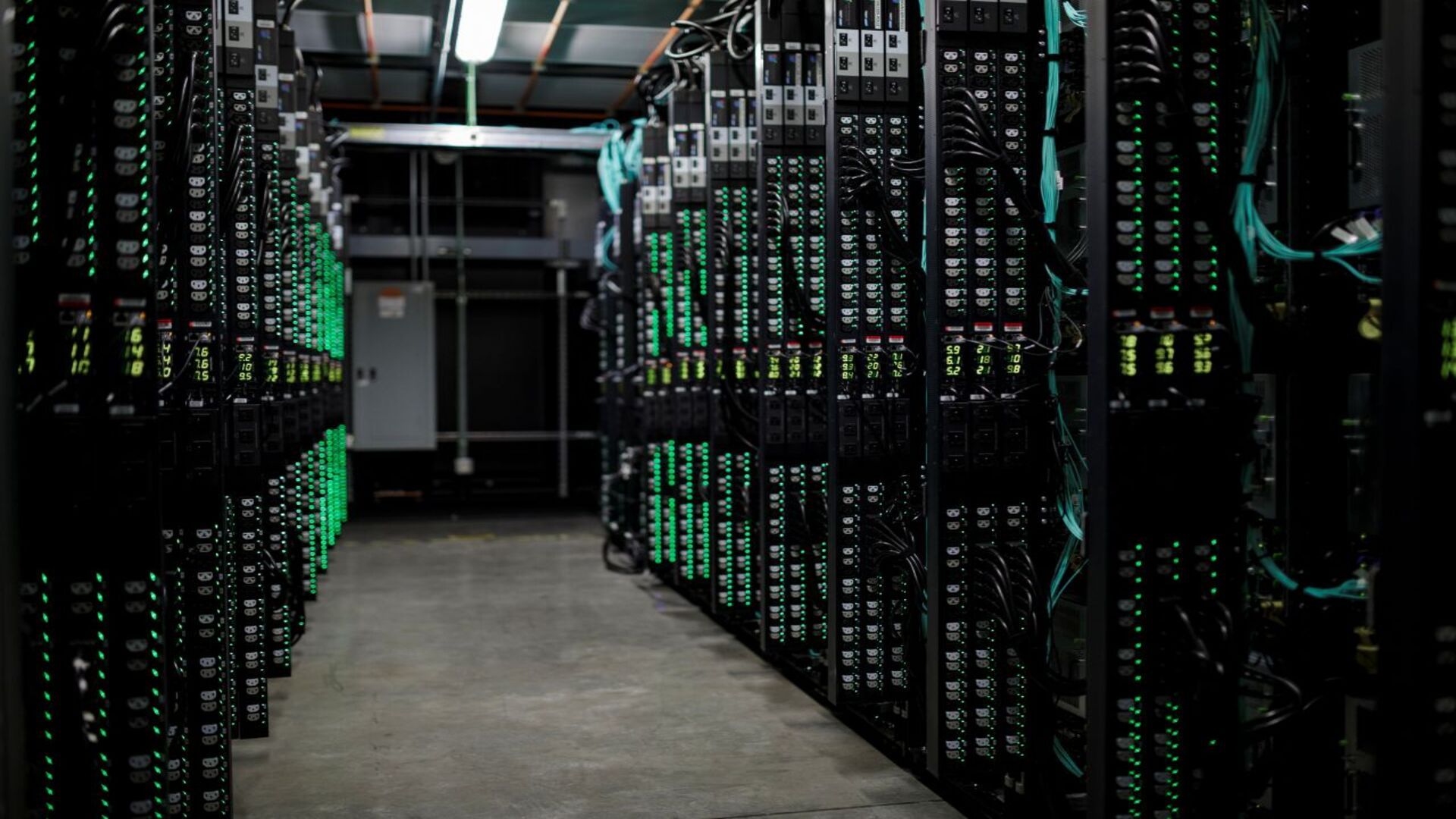
The rapid expansion of artificial intelligence workloads has pushed data centers to their limits. Traditional DRAM, long the workhorse of high‑performance computing, is now a costly bottleneck. Kioxia is proposing a radical shift: replace expensive DDR modules with the world’s fastest SSD ever built. The goal is to reduce reliance on conventional RAM and lower the overall cost of AI infrastructure.
Why DRAM is becoming a bottleneck
- Cost pressure: The price per gigabyte of DRAM has risen sharply in recent years, driven by supply constraints and soaring demand from AI training clusters.
- Scalability limits: As models grow larger, the amount of RAM required expands exponentially, forcing operators to purchase more modules and manage complex multi‑socket configurations.
- Power consumption: DRAM draws significant power, contributing to higher operational expenses and carbon footprints for large‑scale deployments.
These factors combine to make DRAM a less attractive option for the next generation of AI platforms. The industry is therefore searching for alternatives that can deliver comparable speed while cutting cost and energy use.
Kioxia’s vision for SSD‑based memory
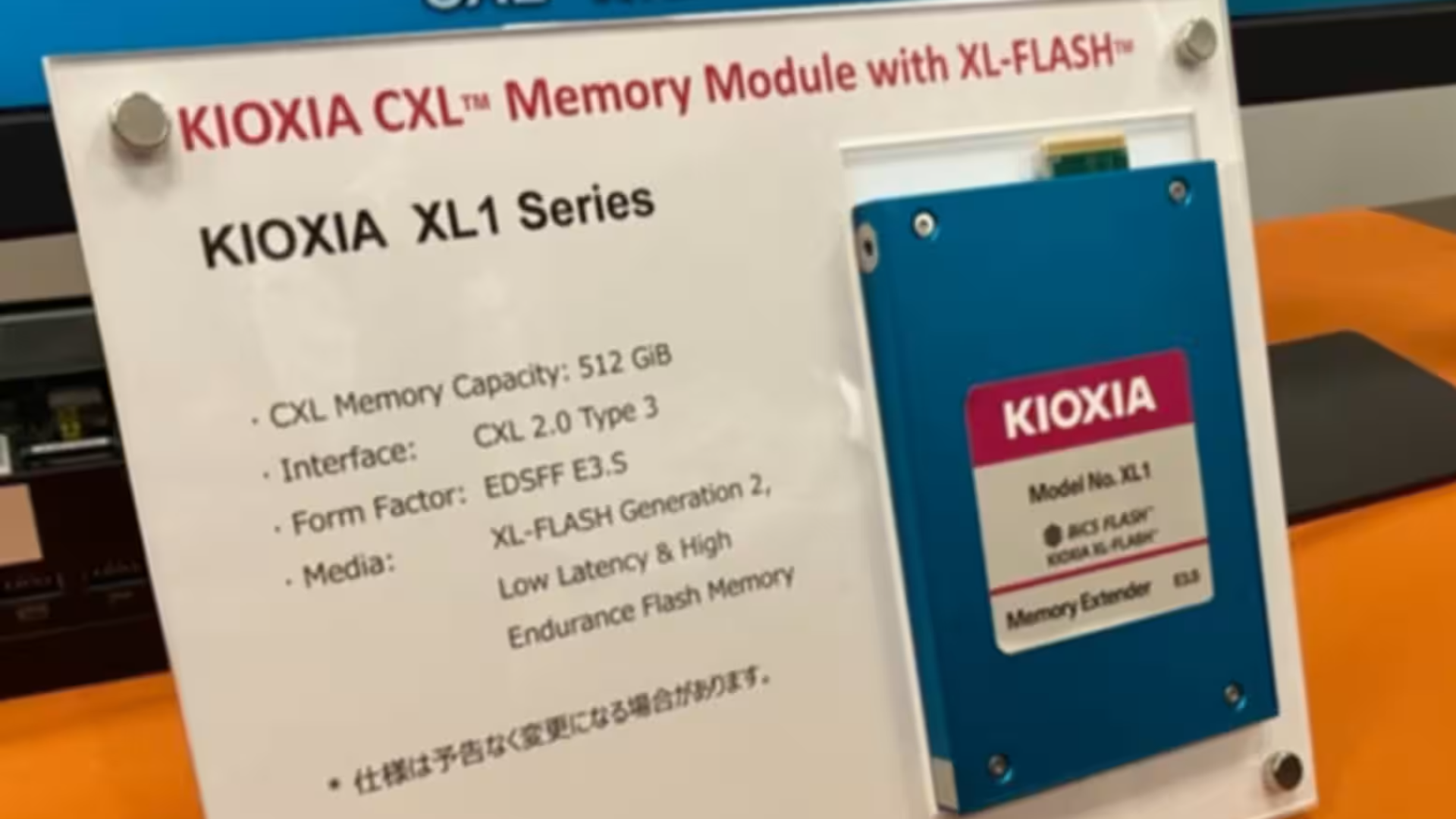
Kioxia is developing next‑generation NAND and CXL memory products that aim to bridge the gap between storage and compute. The company’s roadmap includes ultra‑fast SSD solutions that leverage advanced controller architecture and high‑bandwidth interfaces. By integrating these SSDs directly into the memory hierarchy, the approach promises latency that rivals traditional DRAM for many AI workloads.
Key elements of the strategy include:
- CXL integration: The Compute Express Link standard allows SSDs to act as memory expanders, presenting them as addressable memory to the host system.
- Advanced NAND: Newer 3D NAND designs provide higher density and faster read/write speeds, essential for handling the massive data streams typical of AI inference.
- Software coordination: Optimized drivers and memory management units ensure that the SSD can serve as a transparent extension of RAM, minimizing changes to existing codebases.
If successful, this architecture could enable data centers to scale AI capacity without the exponential cost increase associated with adding more DDR modules.
Technical challenges and potential benefits
Transitioning from DRAM to SSD‑based memory is not without hurdles. The primary concerns revolve around latency, endurance, and system integration.
Latency: Even the fastest SSDs today operate at latencies measured in microseconds, while DRAM sits in the nanosecond range. However, many AI workloads tolerate higher latencies for bulk data operations, and the speed gap narrows with each generation of NAND and controller technology.
Endurance: SSDs have finite program/erase cycles, which could become a concern under constant heavy writes. Emerging technologies such as zoned namespace and wear‑leveling algorithms help mitigate this issue, extending usable life for data center environments.
Integration: Adopting CXL requires support from CPUs, chipsets, and operating systems. Industry collaboration is essential to ensure that the ecosystem matures in lockstep with the hardware.
Despite these challenges, the potential benefits are compelling:
- Cost reduction: SSDs are already cheaper per gigabyte than DRAM, and the price gap is expected to widen as NAND production scales.
- Energy efficiency: SSDs consume less power than DRAM, leading to lower cooling requirements and overall electricity bills.
- Scalability: Adding storage capacity is simpler than expanding RAM, allowing operators to grow AI clusters more flexibly.
What this means for the industry
If Kioxia can deliver on its promise, the implications extend beyond a single vendor. The move could spark a broader shift in how data centers architect memory, encouraging other manufacturers to accelerate their own SSD and CXL offerings. It may also influence processor design, as CPUs will need to optimize for memory hierarchies that include high‑speed storage.
For enterprises deploying AI, the transition could translate into more predictable budgeting. Instead of facing sudden spikes in DRAM pricing, organizations could rely on a more stable storage market. Additionally, the reduced power draw aligns with corporate sustainability goals, making the shift attractive from both financial and environmental perspectives.
Takeaway
The push to replace costly DDR with ultra‑fast SSD technology represents a strategic response to the growing demands of AI workloads. Kioxia’s initiative highlights a potential pathway toward more affordable, scalable, and energy‑efficient memory solutions for data centers. While technical challenges remain, the convergence of advanced NAND, CXL standards, and optimized software creates a realistic prospect for SSDs to supplement, and in some cases replace, traditional DRAM. The industry’s ability to adopt this model will shape the cost and performance landscape of AI infrastructure for years to come.