Europe Has One Year to Triple AI Data Center Capacity, Warns Nobel Laureate and EU Commissioner

Europe’s AI Ambition: One Year to Triple Data Center Capacity
The Current Landscape
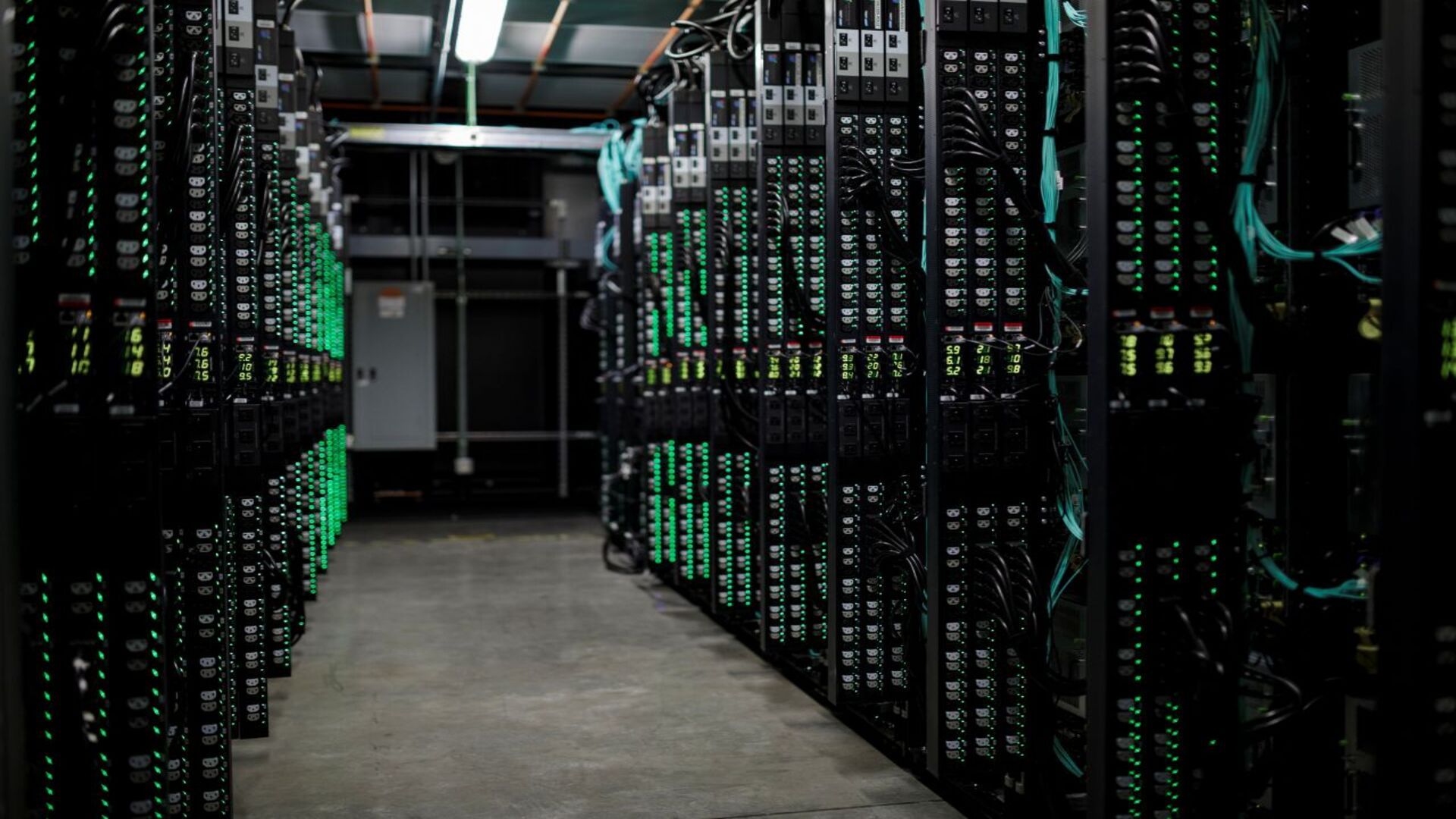
Europe currently operates about five percent of the world’s AI data centre capacity. This modest share reflects a fragmented approach to infrastructure investment and a slower pace of adoption compared with regions such as North America and Asia. A coalition of senior European economists, policymakers and computer scientists has now quantified the gap that must be closed. Their analysis concludes that Europe should aim for fifteen percent of global capacity by 2030. Reaching that level would require building roughly three times the existing infrastructure within a decade.
The Target: Fifteen Percent by 2030
The fifteen percent goal is not arbitrary. It aligns with broader European strategies to become a leader in artificial intelligence research, deployment and ethical governance. Achieving this target would position the continent as a credible partner for global AI development and would help retain talent that might otherwise migrate to more data‑rich environments. The scale of the build‑out is significant. It calls for new facilities, upgraded power grids and sustained investment from both public and private sources.
Why the Timeline Matters
The one‑year window highlighted by the Nobel laureate and former EU commissioner underscores the urgency of coordinated action. Several forces converge to create this pressure. First, geopolitical competition is intensifying as other regions expand their AI capabilities at a rapid pace. Second, European regulations such as the AI Act introduce compliance requirements that benefit from domestic processing capacity. Third, the climate agenda demands that new infrastructure be energy efficient and powered by renewable sources. Delaying the build‑out could leave Europe dependent on external providers, raise costs for businesses and hinder the ability to enforce data sovereignty principles.
Steps to Reach the Goal
To meet the fifteen percent target, policymakers and industry must pursue a coordinated roadmap:
- Policy incentives - Introduce tax credits, grants and streamlined permitting for data centre projects that meet sustainability standards.
- Public‑private partnerships - Leverage EU funds alongside private capital to finance large‑scale construction and grid upgrades.
- Renewable energy integration - Require new facilities to source power from wind, solar or other clean sources, aligning with the European Green Deal.
- Skills development - Expand training programmes for engineers, data scientists and facility managers to ensure operational expertise.
- Standardised benchmarks - Establish clear metrics for efficiency, security and carbon footprint to guide investment decisions.
Risks and Challenges
The path forward is not without obstacles. Securing sufficient land and permitting can be time‑consuming, especially in regions with strict environmental protections. Energy constraints may arise if renewable generation does not keep pace with demand. Additionally, the cost of building state‑of‑the‑art facilities could strain public budgets, requiring careful allocation of resources. Finally, ensuring that the new capacity is used for responsible AI applications will demand robust governance frameworks and ongoing oversight.
Takeaway
Europe has a clear numerical target and a tight deadline to expand its AI data centre capacity. Success will depend on swift policy action, strategic investment and a commitment to sustainable, secure infrastructure. Meeting the fifteen percent goal by 2030 will not only boost the continent’s technological sovereignty but also reinforce its role as a responsible leader in the global AI ecosystem.