ChatGPT’s Stickers: When AI-Generated Art Becomes Actually Useful
Introduction
The rapid evolution of generative AI tools has reshaped how creators produce visual content. Among the latest additions, ChatGPT’s Stickers feature offers a new way to turn text prompts into shareable graphics. While early reactions ranged from curiosity to skepticism, a deeper look reveals practical value for designers, marketers, and everyday users.
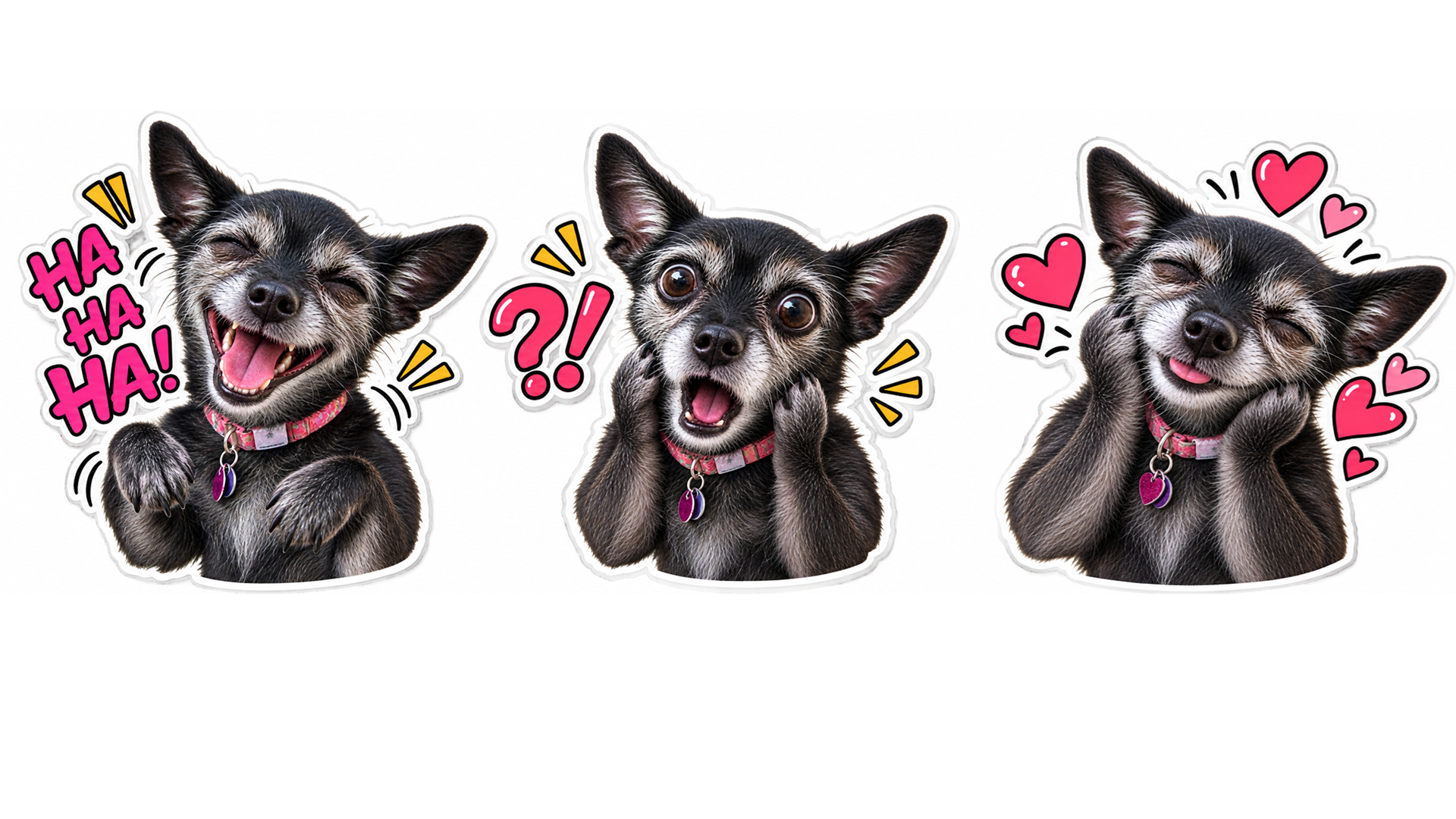
The Rise of AI-Generated Stickers
Sticker culture has grown from simple emoji packs to sophisticated artwork that conveys personality and context. AI models now assist in this space by interpreting natural language descriptions and outputting ready to use images. The technology behind the feature combines large language models with diffusion techniques, allowing the system to understand style cues, color palettes, and thematic elements. This convergence reduces the time required to iterate on visual concepts and opens the door for non-technical users to create custom graphics without learning complex design software.
Why ChatGPT’s Stickers Stand Out
Several characteristics differentiate this offering from earlier attempts:
- Contextual understanding - The model can parse nuanced prompts, such as “a minimalist coffee cup on a rainy city street” and produce a cohesive illustration.
- Iterative refinement - Users can request adjustments in plain language, and the system updates the image in real time.
- Cross-platform compatibility - Generated stickers are delivered in common formats, making them easy to embed in messaging apps, social media posts, or presentation slides.
- Creative variety - The output spans a wide range of artistic styles, from hand-drawn sketches to polished vector graphics.
These strengths transform what could be dismissed as disposable AI slop into a resource that supports branding, storytelling, and personal expression.
Beyond the immediate visual output, the feature encourages a shift in mindset. Designers can treat the AI as a rapid prototyping partner, iterating through dozens of concepts in minutes. This accelerates brainstorming sessions and reduces the cognitive load of starting from a blank canvas. Moreover, the ability to articulate ideas in natural language aligns with existing creative habits, making the technology feel intuitive rather than disruptive.
Practical Applications for Developers and Designers
For professional creators, the Stickers feature can accelerate workflow and enhance client deliverables. Branding teams can quickly produce themed icons for product launches, ensuring visual consistency across campaigns. UI designers can generate custom avatars or status indicators without leaving the design environment. Marketing specialists can craft eye-catching visuals for social media, reducing reliance on stock imagery. In each scenario, the ability to iterate through ideas in conversation form streamlines decision making and fosters collaboration.
Looking ahead, integration with project management tools could allow teams to generate stickers directly from task descriptions, further blurring the line between planning and execution. As the model improves, expectations for on-brand consistency will rise, prompting organizations to establish guidelines for AI-assisted visual assets. Early adopters who define clear style guides will gain a competitive edge in producing cohesive marketing material at scale.
How to Make the Most of the Feature
Adopting the technology effectively requires a thoughtful approach:
- Start with clear intent - Define the purpose of the sticker before prompting. A focused brief yields more relevant results.
- Leverage iterative feedback - Use follow-up messages to tweak colors, shapes, or mood. The model responds well to precise language.
- Combine with existing assets - Blend AI-generated elements with brand fonts or logos to maintain identity.
- Test across channels - Verify that the final image renders correctly on the intended platforms, especially when scaling or compressing.
Finally, it is wise to document successful prompts and iteration cycles. Building an internal library of effective brief patterns creates a reusable resource for future projects. Sharing these insights across departments promotes consistency and reduces duplicated effort. Over time, the collection becomes a strategic asset that reflects the organization’s visual language and the nuances that resonate with its audience.
Takeaway
ChatGPT’s Stickers feature illustrates how generative AI can move beyond novelty and become a functional tool for visual communication. Its ability to interpret natural language, iterate quickly, and output versatile formats makes it valuable for both casual users and professional creators. The key takeaway is that AI-driven sticker generation, when applied with intention, can enhance branding, streamline design processes, and enrich storytelling without sacrificing quality.