California Startup Unigrid Hits Sodium-Ion Milestone, Proving Viable Alternative to Lithium-Ion
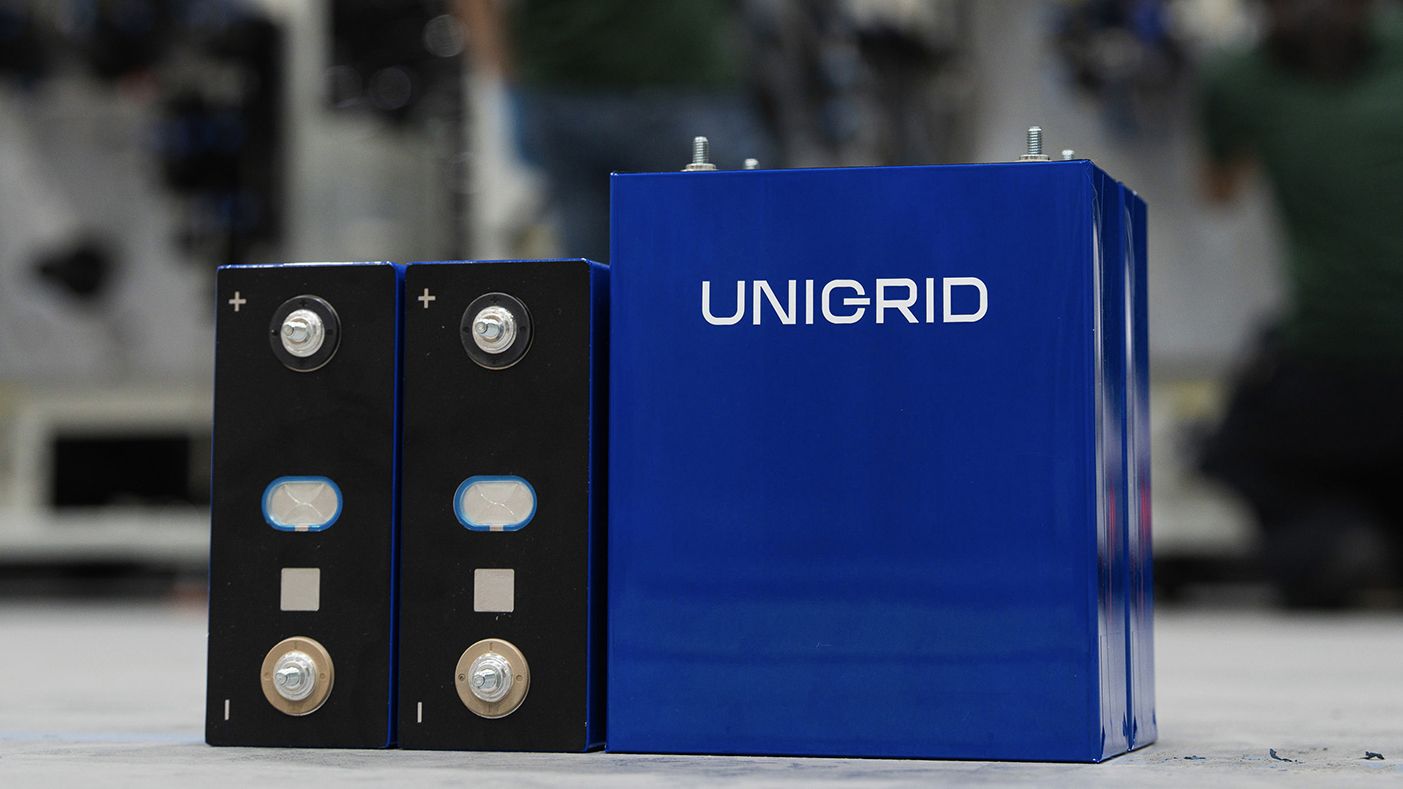
Sodium-Ion Battery Milestone Signals New Era Beyond Lithium-Ion
The sodium‑ion battery has long been touted as a promising successor to the dominant lithium‑ion technology. Recent developments suggest that the hype may be turning into reality. A California startup called Unigrid has successfully completed Hyundai’s rigorous safety testing regime, including evaluations at temperatures as low as minus twenty degrees Celsius. The achievement not only validates the performance of sodium‑ion cells under extreme conditions but also reinforces the view of analysts who describe the technology as a compelling alternative to lithium‑ion.
Why Sodium-Ion Matters
Lithium‑ion batteries power everything from smartphones to electric vehicles, yet the market faces growing pressure from supply constraints, rising raw material costs, and environmental concerns linked to mining. Sodium is abundant, inexpensive, and widely distributed, making it an attractive candidate for next‑generation energy storage. Moreover, sodium‑ion chemistry can be manufactured using existing production lines with only minor adjustments, which could accelerate adoption.
- Lower material cost due to abundant sodium reserves
- Reduced reliance on cobalt and nickel, improving supply chain resilience
- Comparable safety profile when engineered correctly
- Potential for sustainable manufacturing processes
Unigrid’s Cold Weather Success
Unigrid’s battery platform demonstrated consistent performance during Hyundai’s tests, which simulate real‑world conditions in automotive applications. The cells maintained charge retention and safety metrics at minus twenty degrees Celsius, a temperature range where many lithium‑ion systems experience reduced capacity or increased risk of thermal runaway. Hyundai’s engineering team highlighted the results as a significant step toward broader deployment of sodium‑ion solutions in vehicles that operate in cold climates.
The test success also reflects Unigrid’s focus on robust electrolyte formulation and cell architecture. By optimizing the sodium salt composition and employing a stable solid‑state separator, the company addressed one of the primary challenges historically associated with sodium‑ion batteries: electrolyte stability at low temperatures. This technical breakthrough could pave the way for wider acceptance among automakers seeking reliable power sources for electric fleets.
Industry Implications
If Unigrid’s performance can be replicated at scale, the implications for the battery market could be profound. Automakers could diversify their battery suppliers, reducing exposure to geopolitical risks tied to lithium mining regions. Additionally, the lower cost structure of sodium‑ion could enable more affordable electric vehicles, potentially accelerating adoption rates in price‑sensitive segments.
Challenges Ahead
Despite the progress, sodium‑ion batteries still face hurdles that must be addressed before they can rival lithium‑ion on a global scale. Energy density remains lower, which can limit range in electric vehicles. Cycle life and degradation under repeated charge‑discharge cycles also require improvement. Scaling manufacturing to meet demand will demand significant capital expenditure and supply chain coordination.
Current research focuses on several areas:
- Development of high‑capacity cathode materials that can fully leverage sodium’s electrochemical potential
- Advances in anode design to boost overall cell efficiency
- Integration of recycling processes tailored to sodium‑ion chemistries
Market Outlook
The convergence of technical achievement, market demand, and strategic incentives creates a fertile environment for sodium‑ion adoption. While lithium‑ion will likely remain the dominant technology for high‑performance applications in the near term, sodium‑ion is positioning itself as a viable complement, particularly for stationary storage, low‑cost transportation, and applications where weight is less critical.
Economic and Environmental Benefits
The economic advantages of sodium‑ion extend beyond raw material costs. Manufacturing processes that rely on abundant sodium can be established in regions currently dependent on imported lithium, creating jobs and fostering local supply chains. Additionally, the reduced energy demand for sodium processing contributes to a lower carbon footprint compared with lithium extraction, aligning battery production with sustainability goals.
- Sodium extraction requires less energy than lithium processing, reducing overall carbon footprint
- Lower material cost translates to cheaper battery packs for consumers
- Potential for localized production reduces transportation emissions
- Recycling simplicity can improve circular economy metrics
In summary, the progress illustrated by Unigrid underscores a shifting landscape where sodium‑ion technology is moving from laboratory curiosity to practical solution. Stakeholders across the automotive and energy sectors should monitor these developments closely as they may reshape investment priorities and strategic roadmaps.
Takeaway
Unigrid’s successful safety testing at extreme cold temperatures marks a pivotal moment for sodium‑ion batteries. The milestone demonstrates that the technology can meet rigorous automotive standards, offering a cost‑effective and resource‑friendly alternative to lithium‑ion. Continued investment in material science and manufacturing will determine whether sodium‑ion can transition from promising prototype to mainstream power source.