Autonomous Drone Fires Live AMRAAM Missile in USAF First
A New Milestone in autonomous Aerial Warfare
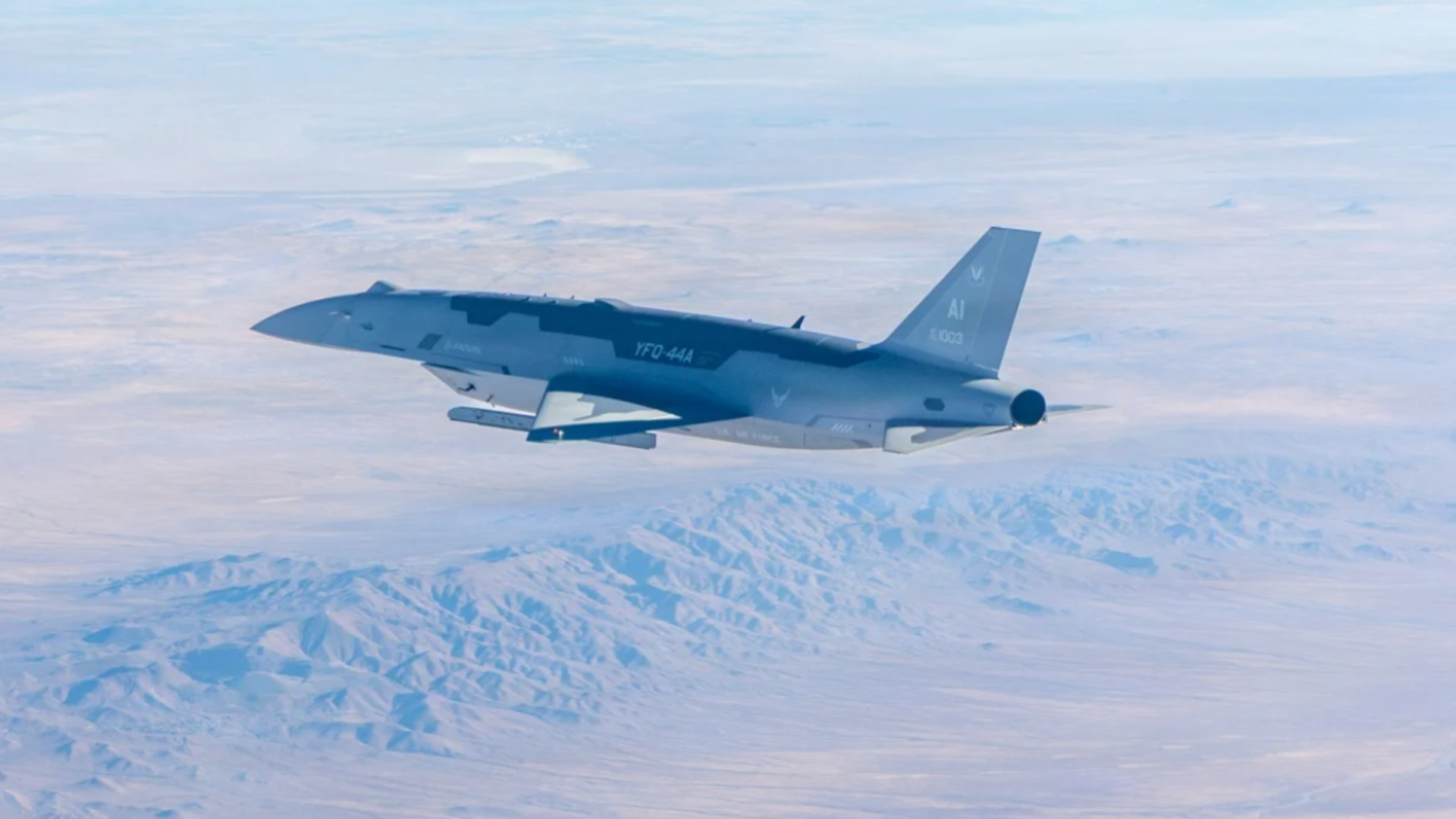
The United States Air Force recently demonstrated a capability that pushes the boundary of unmanned combat. An autonomous fighter drone designed to operate without a human pilot successfully launched a live AMRAAM air-to-air missile during a test flight. This event marks the first time such a system has fired a real missile highlighting the progress of AI driven platforms in defense roles. The achievement reflects years of research integration of sensor suites and advances in decision making algorithms that allow the drone to identify track and engage a target autonomously.
The test flight explained
During the demonstration the drone followed a preplanned flight path while its onboard sensors gathered data on a simulated adversary. The autonomous software evaluated the target confirmed the engagement parameters and initiated the missile launch sequence. No human operator issued the final command. The missile separated from the airframe and followed its own guidance to the target area. Observers on the ground recorded the event and verified the missile’s trajectory and separation. The test confirmed that the integration of AI control with existing weapon systems can function safely and reliably.
Why an AMRAAM matters
The AIM-120 AMRAAM is a beyond visual range missile widely used by modern air forces. Its capabilities include active radar homing and the ability to engage targets at significant distances. By pairing an autonomous platform with this proven missile the program demonstrates that unmanned systems can carry out high-value offensive operations traditionally reserved for manned aircraft. The choice of AMRAAM also underscores the importance of interoperability; the drone must communicate with the missile’s guidance system and align with established doctrines for air combat.
Implications for future combat systems
- The successful launch validates the concept of AI driven engagement in contested airspace.
- It opens the door for mixed fleets where manned and unmanned assets coordinate in real time.
- Future designs may incorporate smaller more agile platforms that can deliver precision strikes without risking pilot lives.
- The test also raises questions about command and control structures verification of target identification and adherence to rules of engagement.
Ethical considerations
The successful launch raises important ethical questions. Autonomous systems that can select and engage targets without human intervention challenge existing frameworks for accountability. Decision making processes must be auditable and designers should embed safeguards that prevent unintended engagements. Ongoing dialogue among policymakers ethicists and engineers is essential to shape guidelines that balance operational advantage with moral responsibility.
International perspective
Other nations are observing this development closely. Countries with advanced air forces are evaluating how autonomous capabilities could be integrated into their own doctrines. The demonstration may prompt accelerated research programs and collaborative efforts to establish common standards for unmanned combat operations. Shared understanding of safety protocols and verification methods will be critical as the technology spreads globally.
What this means for AI in defense
The event illustrates how AI is moving from simulation to operational reality. The drone’s software had to process sensor data assess threat levels and execute a lethal action within safety constraints. Such a transition requires robust verification redundancy and transparent decision pathways. The program’s success may accelerate investment in similar technologies across other branches of the military. It also signals to industry partners that autonomous systems are approaching readiness for frontline duties.
Next steps for the program
Following the successful test the program is expected to move into additional phases. These may include extended flight trials integration with other weapon types and testing in more complex scenarios that simulate contested environments. Data gathered from each trial will feed back into the AI algorithms to improve accuracy and reduce false positives. The ultimate goal remains to field a system that can operate alongside manned aircraft while preserving strategic advantage.
Takeaway
The autonomous drone’s live missile firing represents a pivotal step toward integrating AI into combat roles. It proves that unmanned platforms can execute complex offensive tasks while maintaining safety standards. The milestone encourages continued development of autonomous systems and prompts a broader discussion on how to manage and regulate AI driven weaponry in modern warfare.