Asus’s Wi-Fi 8 Router Leads the Next Generation Wave Before Devices Arrive
Introduction
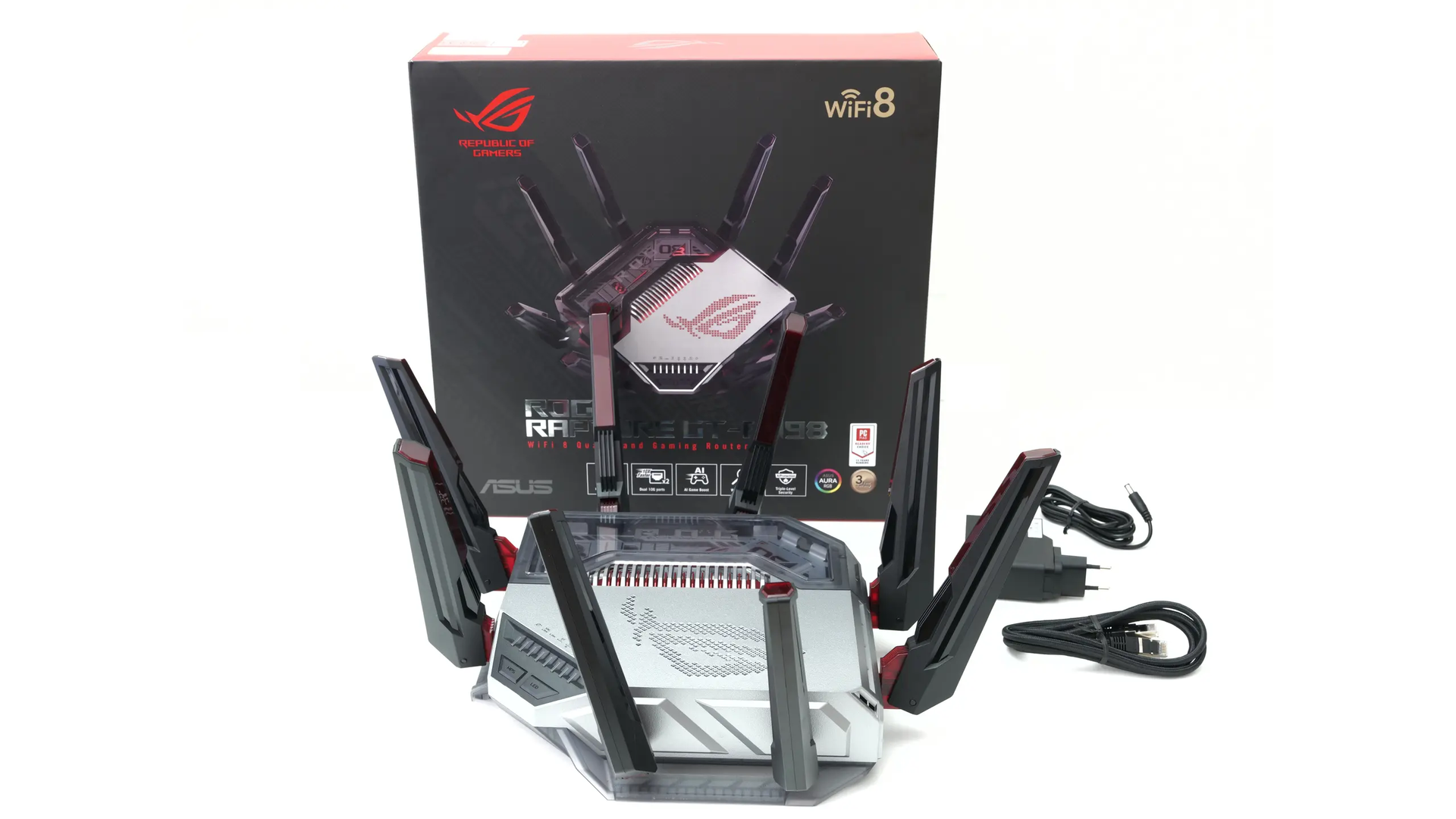
The networking landscape is on the cusp of a major shift as Wi‑Fi 8 begins to appear in product roadmaps. While most households still rely on Wi‑Fi 7 equipment, Asus has launched the first gaming oriented router that supports the new standard. The device promises stronger range, faster backhaul, smarter software, and measurable gains for existing Wi‑Fi 7 clients. Its arrival offers a preview of what the next generation of home networking will deliver.
Why Wi‑Fi 8 Matters
Wi‑Fi 8 builds on the foundations of Wi‑Fi 7 by introducing enhancements aimed at dense environments and latency sensitive applications. The standard expands channel width options, refines multi‑user scheduling, and adds features designed for ultra‑reliable low‑latency communications. For gamers, streamers, and households with many connected devices, these improvements translate into smoother experiences and fewer bottlenecks.
Key Advantages of the New Standard
- Higher throughput in crowded spectrums
- Better power efficiency for battery powered clients
- Enhanced coexistence with older Wi‑Fi generations
- Improved reliability for mission critical traffic
These benefits are especially relevant as more devices demand simultaneous high‑speed connections. The Asus router leverages the new standard to address these challenges before most consumers have even considered upgrading their clients.
Asus’s Wi‑Fi 8 Gaming Router in Detail
The router is positioned as a premium gaming solution, yet its design targets any user seeking future proof performance. Its hardware includes a more powerful processor and a refined antenna array that together deliver a wider coverage footprint. Software enhancements focus on intelligent traffic prioritization and dynamic band steering.
Core Features
- Stronger range through optimized antenna patterns and higher gain amplifiers
- Faster backhaul using a dedicated 5 GHz uplink that reduces latency between the router and the network core
- Smarter software that automatically allocates bandwidth based on application needs
- Backward compatibility gains that allow Wi‑Fi 7 devices to operate at improved efficiency when connected to the new router
These capabilities combine to create a network environment where high‑priority traffic such as competitive gaming or 4K streaming receives preferential treatment without sacrificing performance for background tasks.
Impact on Existing Networks
Deploying the Asus router in a home that still contains Wi‑Fi 7 devices can yield noticeable improvements. The router’s ability to coordinate across multiple frequency bands ensures that older clients receive cleaner channels, reducing interference from newer high‑speed streams. Additionally, the enhanced backhaul link minimizes the time data spends waiting in queue, which benefits all connected devices.
For multi‑device households, the router’s intelligent scheduling helps prevent congestion that typically occurs during peak usage periods. Users may observe more stable ping times and fewer dropped frames, even when several family members are simultaneously engaged in bandwidth intensive activities.
Considerations Before Upgrading
While the router offers compelling advantages, prospective buyers should weigh several factors. Full exploitation of Wi‑Fi 8’s capabilities requires client devices that also support the standard; otherwise, the router will fall back to older modes. Current Wi‑Fi 7 devices will still function, but they will not gain the maximum possible performance.
Price and placement also play a role. The router’s advanced features benefit from optimal positioning, such as central locations away from dense metal objects. Users should also consider firmware support; regular updates will be essential to maintain compatibility as the Wi‑Fi 8 ecosystem matures.
Takeaway
Asus’s early entry into the Wi‑Fi 8 market demonstrates how next generation standards can enhance performance for current devices. The router provides stronger range, faster backhaul, and smarter traffic management, delivering tangible benefits for gamers and multi‑device homes alike. For those ready to invest in future proofing their network, the router offers a clear advantage, though the full impact will become more evident as Wi‑Fi 8 clients become widespread.