AI’s Hidden Boost for Hard Drives: Why Toshiba Is Scaling Up
The Unexpected Revival of Hard Drives
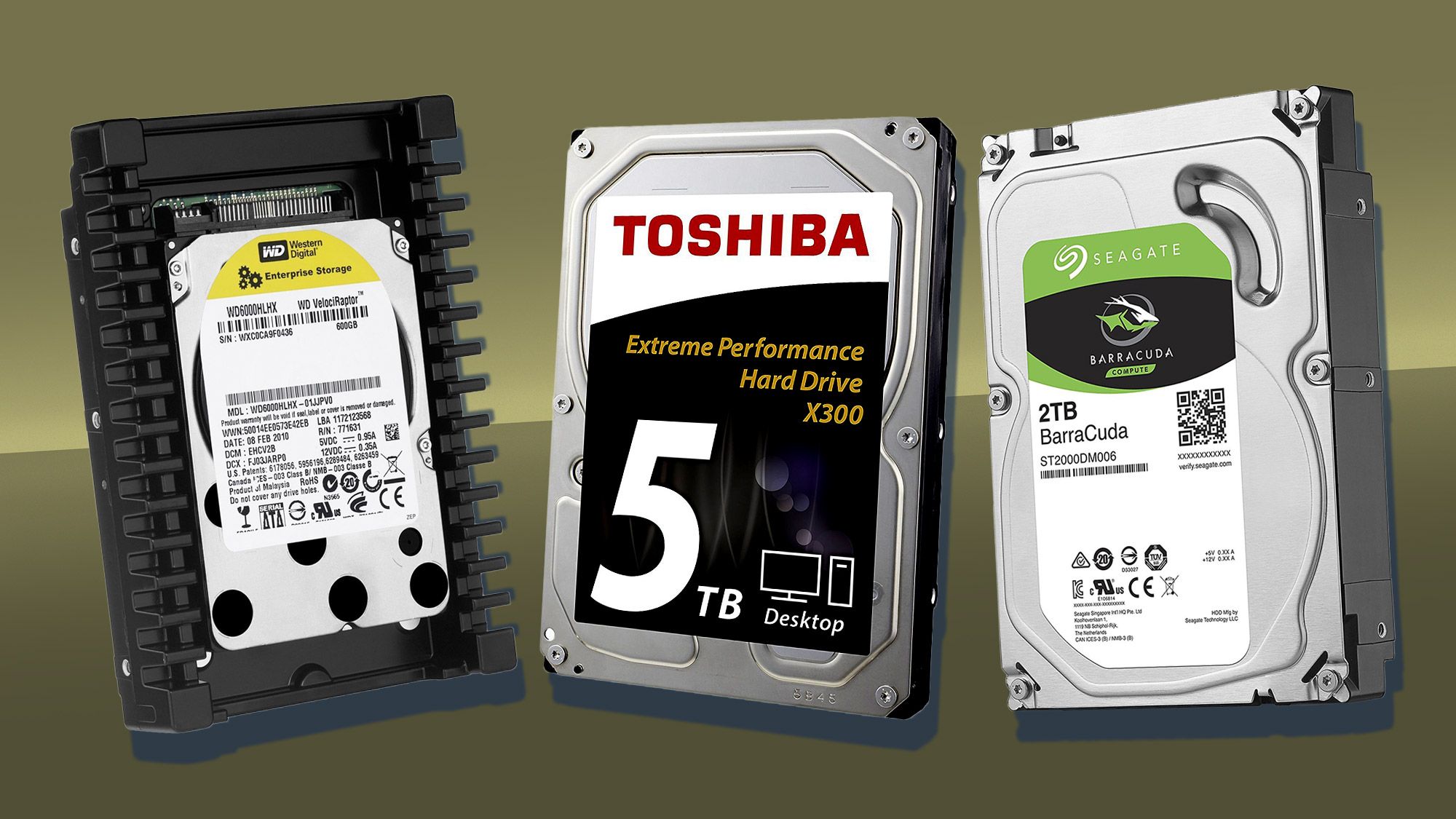
For years the narrative around storage has been clear: solid state drives would dominate and hard disk drives would fade into obsolescence. That story has been upended by the surge in artificial intelligence workloads. Data centers now require massive capacity at a lower cost per terabyte, and AI models are generating and processing petabytes of information daily. The result is a renewed demand for high capacity spinning media. Toshiba’s decision to expand its HDD production line reflects a broader industry shift that few predicted just a few years ago.
Why AI is Driving Demand
AI workloads differ from traditional computing in three fundamental ways:
- Scale - Training large language models and computer vision systems requires terabytes of raw data stored simultaneously.
- Cost sensitivity - Cloud providers must balance performance with budget, making high capacity HDDs an economical choice for cold and warm storage tiers.
- Latency tolerance - Many AI pipelines can tolerate slower read and write speeds for bulk data, allowing HDDs to serve as the backbone for less time critical stages.
These factors combine to create a market where hard drives are not only relevant but essential. While SSDs excel at handling hot data and delivering rapid access, they remain prohibitively expensive for the sheer volume of data AI generates. Consequently, the economics favor a hybrid approach where HDDs handle the bulk of storage, freeing SSDs for the most performance intensive tasks.
Toshiba’s Strategic Move
Toshiba’s expansion is not a gamble; it is a calculated response to clear market signals. The company is increasing production capacity at its facilities in Japan and Singapore, aiming to deliver higher volume shipments of 3.5 inch and 2.5 inch drives optimized for data center use. By leveraging its existing expertise in magnetic media, Toshiba can ramp up output without the heavy capital investment required for new manufacturing lines. The move also positions the firm to capture share from competitors that have been slower to adapt to the AI driven demand curve.
The broader implications of this shift extend beyond Toshiba. Other major HDD manufacturers are likely to follow suit, potentially reshaping the competitive landscape. The resurgence of HDD production may also influence supply chain dynamics, affecting component pricing and availability for both consumer and enterprise markets.
Broader Implications for the Storage Landscape
The AI boom is forcing a reevaluation of storage hierarchies. Traditional tiered architectures placed SSDs at the top, with HDDs and tape forming lower tiers. Now, AI workloads are blurring those lines. High capacity HDDs are being integrated closer to compute resources to reduce data movement latency, while SSDs are reserved for the most latency sensitive AI inference tasks. This hybrid model promises to deliver both cost efficiency and performance.
Additionally, the renewed demand for HDDs may accelerate innovation in related technologies. Advances in helium sealed drives, heat assisted magnetic recording, and shingled magnetic recording are all poised to extend the lifespan and capacity of spinning media. As manufacturers push the limits of magnetic storage, the industry may see a new generation of drives capable of handling even larger AI datasets.
Takeaway
AI has reversed the decline of hard drives, turning them into a critical component of modern data infrastructure. Toshiba’s production expansion highlights how quickly market forces can reshape long standing technology trajectories. Organizations planning their storage strategies should consider a balanced mix of SSD and HDD solutions, aligning capacity and performance with the unique demands of AI workloads.