AI Joins the Front Lines: How the US Army is Building Human‑AI Teams
Overview
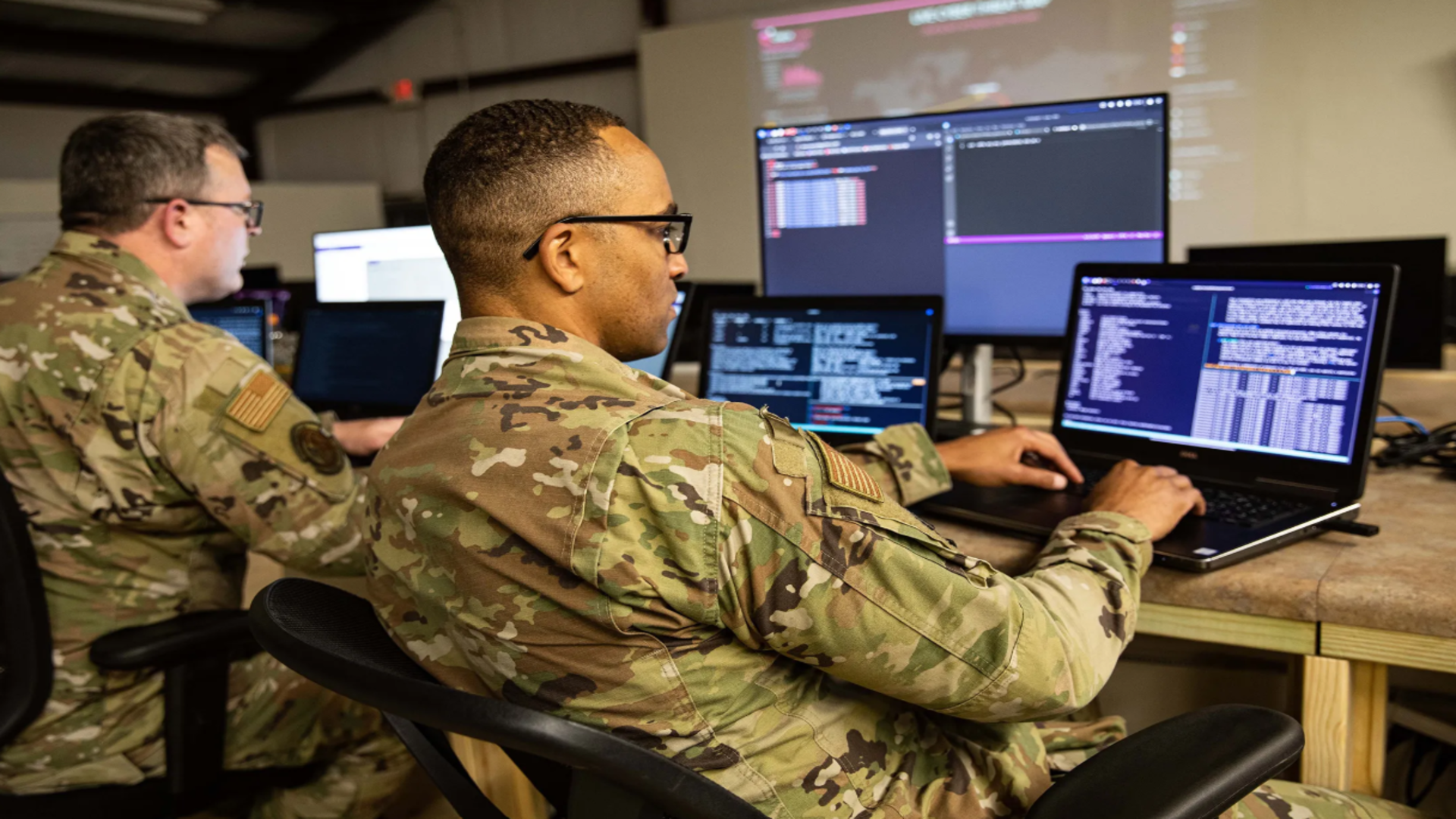
The United States Army is moving beyond experimental labs to embed artificial intelligence agents in real world missions. Recent reports indicate that AI systems are being trained for specialized cyber roles while human operators retain ultimate authority over risk decisions. This approach blends machine speed with human judgment, aiming to enhance mission effectiveness without surrendering control.
Strategic Context
Modern warfare increasingly relies on digital domains. Cyber operations demand rapid analysis of vast data streams, pattern recognition, and response coordination that can outpace human processing. By assigning AI to handle repetitive or highly technical tasks, the Army seeks to free personnel for strategic planning and complex problem solving. The initiative also aligns with broader defense modernization efforts that prioritize autonomous support tools.
Operational Model
The training program pairs AI agents with human soldiers in defined work roles. The AI handles data gathering, threat detection, and initial response suggestions. Human operators review recommendations, approve actions, and manage the overall risk profile. This division of labor creates a collaborative loop where AI learns from human feedback and humans benefit from AI’s analytical speed.
Key Elements of the Model
- Task Definition - Specific cyber functions are mapped to AI capabilities.
- Supervision Layer - Human personnel monitor outputs and retain decision authority.
- Feedback Mechanism - Continuous learning adjusts AI performance based on real world outcomes.
Benefits of Human‑AI Collaboration
Integrating AI into cyber units offers several practical advantages.
- Speed - AI can scan networks and identify anomalies in seconds, reducing exposure time.
- Consistency - Machine driven processes follow defined protocols, minimizing human error in routine checks.
- Scalability - A single AI agent can monitor multiple networks simultaneously, extending coverage without proportionally increasing staff.
- Learning - AI systems improve over time, adapting to new threat patterns as they encounter them.
These benefits support faster response cycles and more resilient defenses, allowing human teams to focus on nuanced analysis and strategic decisions.
Risks and Mitigation
Despite the promise, the approach introduces challenges that require careful management.
- Overreliance - Excessive dependence on AI may erode human expertise in critical areas.
- Bias and Blind Spots - AI models can inherit biases from training data, leading to missed threats.
- Adversarial Manipulation - Opponents may attempt to deceive AI systems, requiring robust validation layers.
- Accountability - Clear lines of responsibility must be established when AI recommendations lead to outcomes.
Mitigation strategies include regular human‑in‑the‑loop reviews, diverse training datasets, and continuous red teaming to expose vulnerabilities. Transparent reporting and audit trails help maintain accountability across the chain of command.
Broader Implications
The Army’s experiment signals a shift toward hybrid forces where humans and machines share responsibilities. Other branches of the military and allied nations are likely to observe outcomes closely, potentially adopting similar frameworks. The model also raises policy questions about the extent of autonomous decision making in defense contexts, prompting ongoing debate among lawmakers, ethicists, and technologists.
Takeaway
The US Army’s initiative to train AI agents for specialized cyber roles while keeping human control over risk decisions illustrates a pragmatic path forward for military AI adoption. By combining machine speed with human judgment, the approach promises enhanced effectiveness and scalability. Success will depend on disciplined oversight, continuous learning, and clear accountability structures. As defense organizations worldwide explore similar partnerships, the Army’s experience offers a valuable reference for balancing innovation with responsibility.