Why Europe and America Face a Power Crisis as AI and EV Demand Surge
The emerging strain on power grids
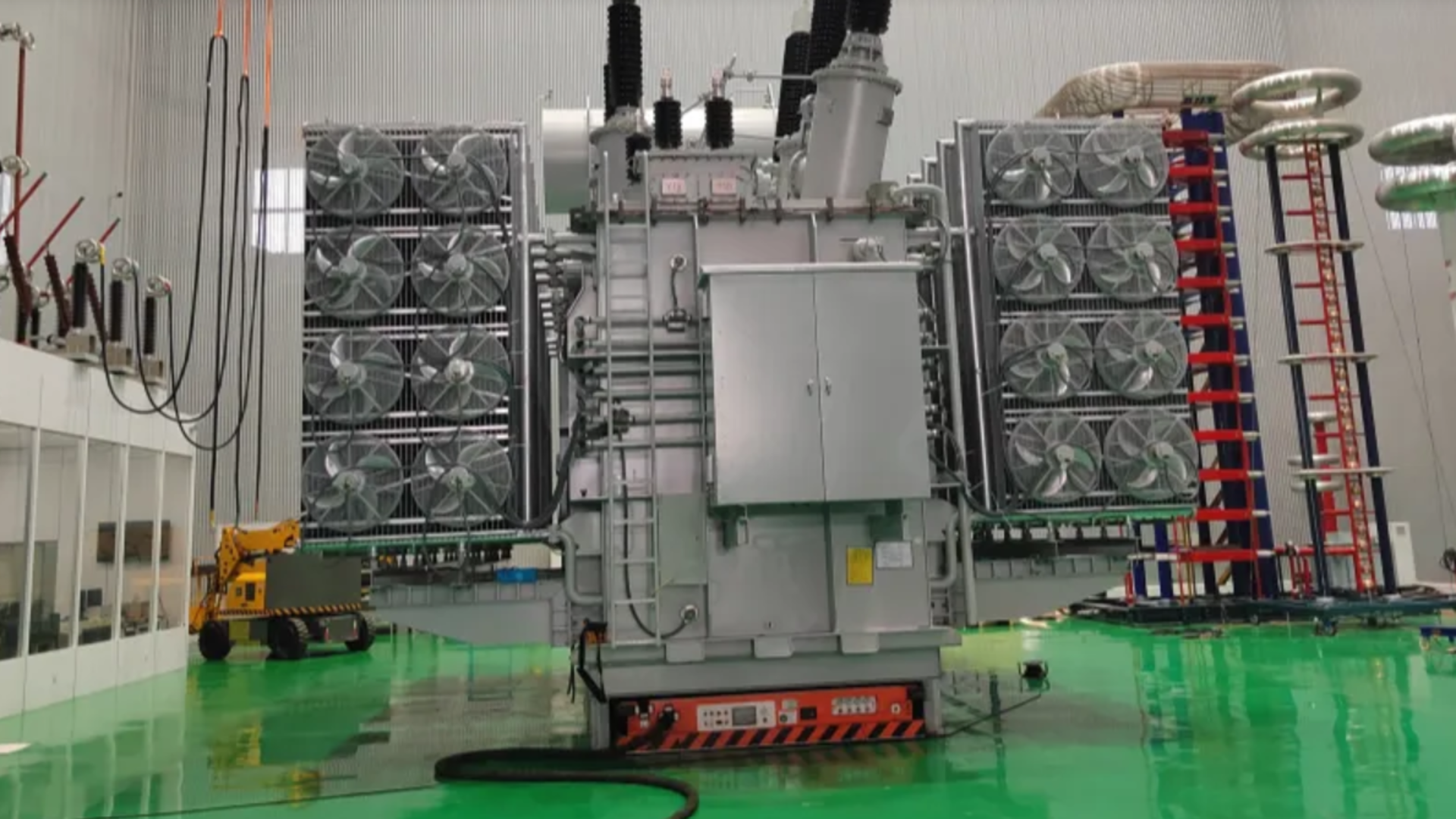
The electricity system that underpins modern economies is showing signs of fatigue. Across Europe and North America, the combination of rapidly expanding artificial intelligence workloads and a surge in electric vehicle adoption is pushing demand beyond historic levels. At the same time, the supply chain for critical grid components is struggling to keep pace. The result is longer wait times for new transformers, higher capital costs, and a growing risk that factories and data centers could be forced to curb operations during peak periods.
Drivers of the shortage
Two parallel trends are at the heart of the problem. First, AI data centers require massive, continuous power to run training and inference workloads. Second, electric vehicles are moving from niche to mainstream, requiring charging infrastructure that draws additional load during evening and morning peaks. Both trends are accelerating faster than grid planners anticipated, and the aging transformer fleet is not being refreshed quickly enough to meet the new demand profile.
Implications for industry
Manufacturers that rely on a stable supply of electricity are already feeling the pressure. Production lines are being scheduled around anticipated outages, and some firms are investing in on‑site generation to hedge against grid volatility. In the utility sector, the extended delivery timeline for new transformers means that grid expansion projects are delayed, which in turn slows the integration of renewable energy sources that could otherwise alleviate the strain.
Regional perspective
European nations are grappling with a mix of legacy infrastructure and ambitious climate targets. Many countries are phasing out coal while still depending on older transformers that were designed for lower loads. In North America, the issue is amplified by the sheer scale of the EV rollout and the concentration of AI facilities in a few geographic clusters. Both regions are seeing a convergence of policy goals, technology adoption, and hardware constraints that threatens to create a bottleneck for future growth.
Key pressures on the grid
- Transformer shortages limit the ability to add new capacity
- Rising peak demand from EV charging and AI workloads strains existing assets
- Aging infrastructure was not built for today’s continuous high‑load operation
- Supply chain delays for critical components extend project timelines
- Regulatory hurdles slow permitting and deployment of new equipment
Paths forward
Addressing the challenge will require coordinated action across multiple domains. Utilities can prioritize transformer upgrades and explore modular designs that can be deployed faster. Policymakers can streamline permitting processes and provide incentives for technologies that reduce peak demand, such as vehicle‑to‑grid systems and demand‑response programs. Industry can invest in energy efficiency measures and adopt flexible production schedules to avoid drawing power during the highest load periods. Together, these steps can help align supply and demand while preserving reliability.
Takeaway
The convergence of AI and electric mobility is reshaping electricity consumption patterns faster than the grid can adapt. Transformer shortages and aging infrastructure are already extending wait times and raising costs. Mitigation will depend on rapid deployment of new grid equipment, smarter demand management, and policy support that matches the pace of technological change.