Samsung’s GAIA AI chip for PCs: HP and Lenovo already testing new accelerator
A new AI accelerator emerges
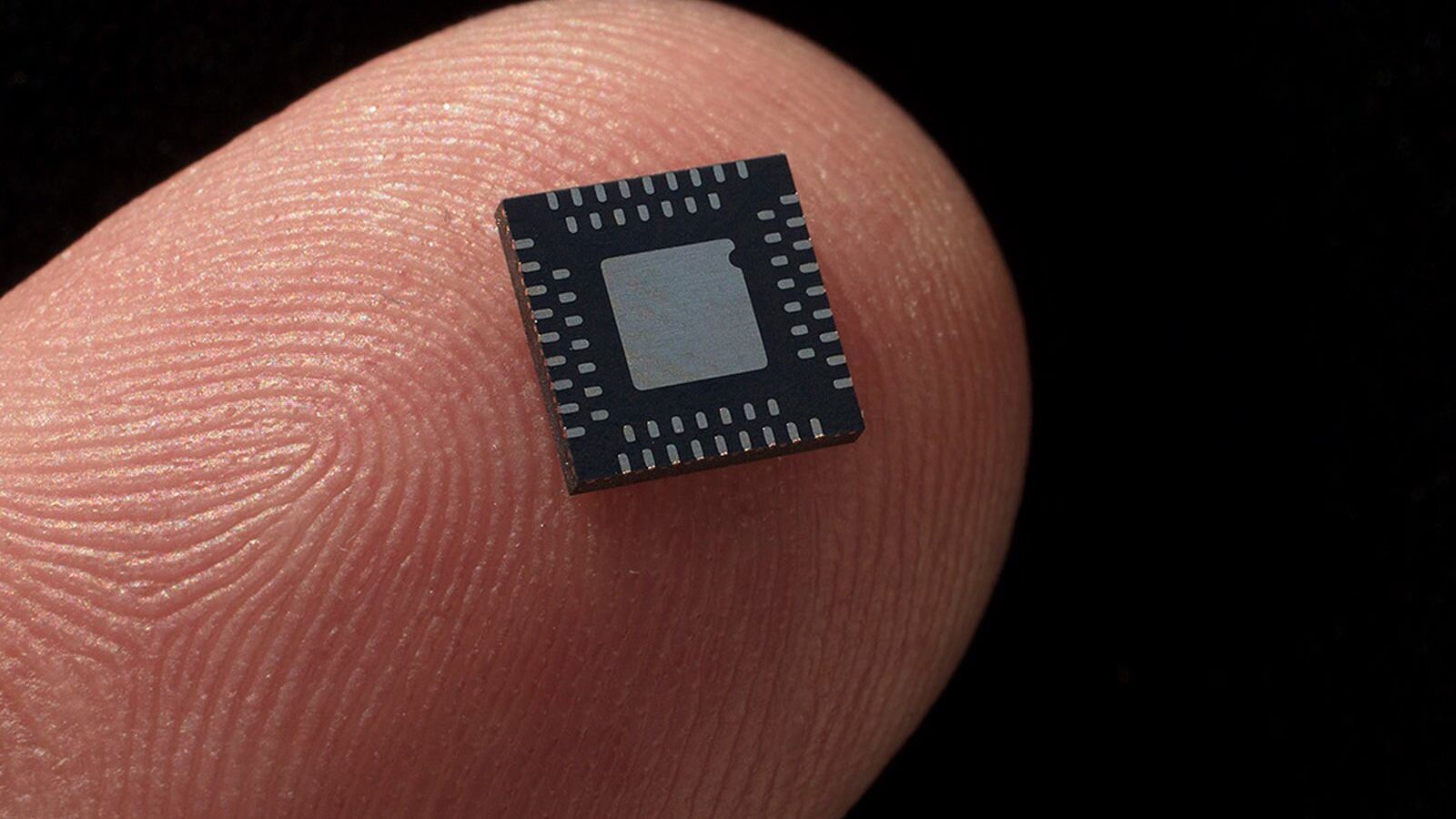
Reports from Korean media indicate that Samsung’s LSI division, known for the Exynos mobile lineup, is developing a dedicated AI processor for personal computers. The project carries the internal codename GAIA and is intended to bring specialized artificial intelligence capabilities to desktop and laptop platforms. While official specifications remain under wraps, the initiative signals a strategic shift toward integrating AI workloads directly into the silicon that powers everyday computing devices.
Why a dedicated AI chip matters for PCs
AI tasks such as image generation, natural language processing, and predictive analytics are becoming routine in productivity software, gaming, and creative tools. Relying solely on general purpose CPUs or even GPUs can lead to higher power consumption, increased heat, and reduced battery life on portable machines. A purpose built accelerator can execute inference operations more efficiently, freeing the main processor for user facing tasks and extending overall system performance.
Market context
- Growing demand for AI features in office suites, photo editors, and communication apps.
- Competitive pressure from Intel and AMD, both of which have announced their own AI focused silicon initiatives.
- End users increasingly expect seamless AI assistance without noticeable latency or performance degradation.
Testing phase with HP and Lenovo
Sources suggest that HP and Lenovo have already received engineering samples of the GAIA chip and are conducting compatibility testing in select laptop models. These collaborations likely involve validating driver stacks, ensuring thermal behavior remains within acceptable limits, and measuring real world performance gains on common AI workloads. Early involvement from major OEMs can help refine the design before broader commercial release.
Potential impact on the PC ecosystem
If GAIA reaches mass production, it could accelerate the adoption of AI driven features across a wide range of devices. Software developers may begin to target the accelerator directly, creating more sophisticated tools for content creation, security analytics, and system optimization. The presence of a dedicated AI core could also influence future hardware design decisions, encouraging thinner chassis and longer battery life by reducing the thermal load on traditional components.
Challenges and considerations
- Design complexity: Integrating a new processing unit alongside existing CPUs and GPUs requires careful power management and interconnect architecture.
- Software ecosystem: Broad adoption depends on robust driver support and developer tooling that can abstract the accelerator’s capabilities.
- Cost and adoption: The added silicon may increase bill of materials costs, which could affect pricing strategies for mainstream devices.
- Security: Dedicated AI hardware must be hardened against potential exploitation, especially as AI workloads become more sensitive.
Takeaway
Samsung’s GAIA initiative represents a notable step toward bringing specialized AI processing to personal computers. Early testing by HP and Lenovo highlights industry confidence in the concept, while the broader market is already moving toward more AI centric experiences. Success will hinge on seamless integration, strong software support, and thoughtful cost management. The outcome could reshape how users interact with their PCs, making AI assistance a standard rather than an optional feature.