Why CRT TVs Won’t Return to Shelves Anytime Soon
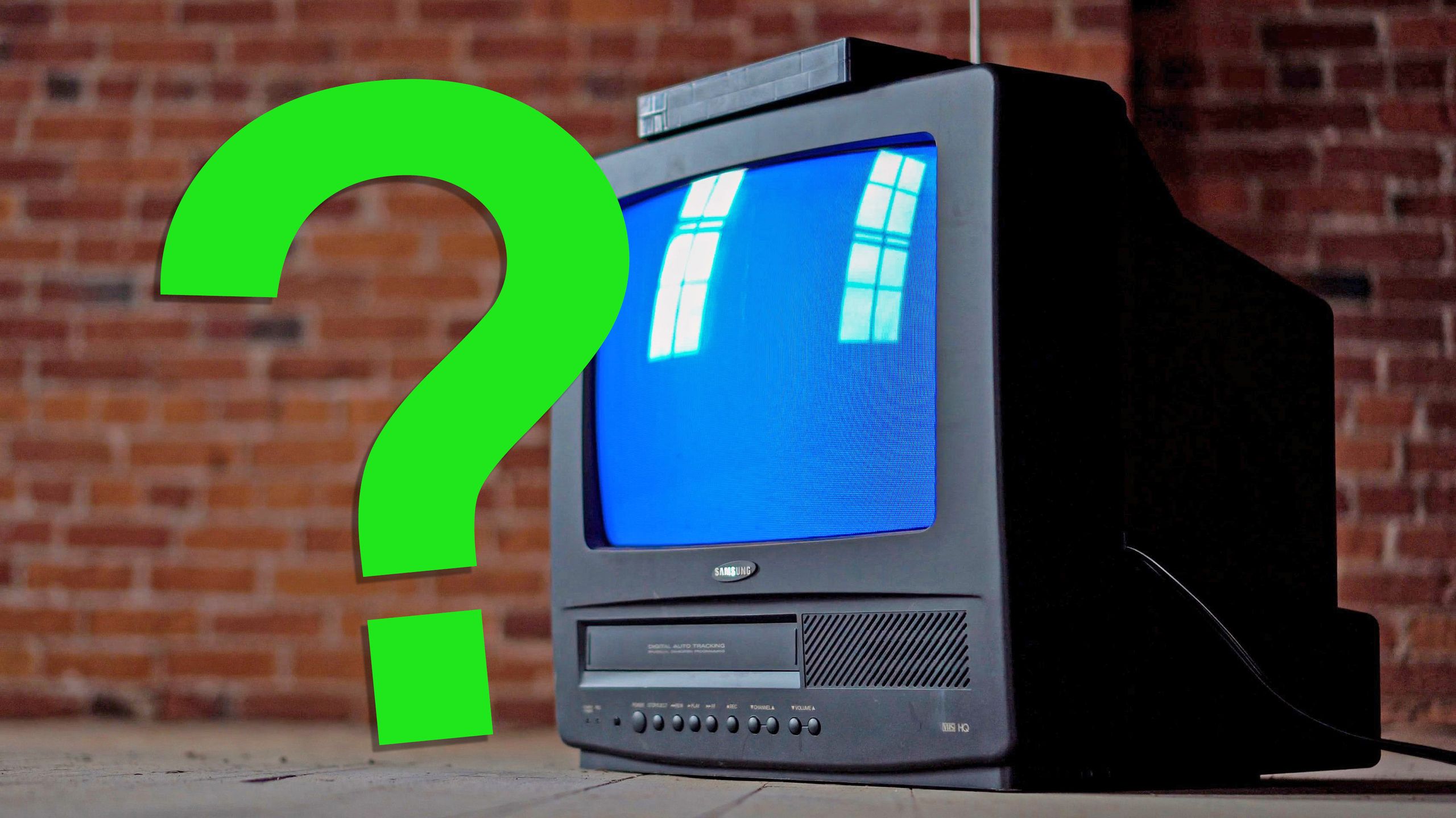
The Unlikely Quest for a CRT Revival
Collectors, retro gamers, and enthusiasts still treasure cathode‑ray tube (CRT) televisions for their unique picture quality and tactile charm. Despite this dedicated fan base, the technology has remained a niche curiosity rather than a mainstream product. A recent conversation with several CRT specialists revealed that the primary barrier to a comeback is not consumer preference, but the disappearance of essential inputs required to manufacture these displays.
Why CRTs Still Captivate a Niche Audience
- Authentic visual experience – CRTs deliver a true analog image with perfect black levels and natural motion blur, qualities that modern LCDs and OLEDs struggle to replicate.
- Retro gaming compatibility – Classic consoles output signals optimized for CRT screens, making them the preferred display for authentic gameplay.
- Cultural nostalgia – The physical bulk and distinct aesthetic of CRTs have become symbols of a bygone era, appealing to collectors and interior designers seeking a vintage vibe.
These factors sustain a small but passionate market. However, the demand is insufficient to justify large‑scale production, and the real obstacle lies deeper within the supply chain.
The Hidden Supply Chain Barriers
Manufacturing a CRT requires a complex ecosystem of components that have largely vanished from modern factories:
- Glass tubing – Specialized glass with precise curvature and thickness is no longer produced in the volumes needed for TV screens.
- Electron gun assemblies – These intricate vacuum devices depend on materials and manufacturing techniques that have been phased out in favor of semiconductor‑based displays.
- Phosphor coatings – The precise mixtures used to produce vivid colors are proprietary and no longer stocked by major chemical suppliers.
Even if a manufacturer secured these inputs, the tooling and expertise required to assemble them have largely been retired. The few remaining facilities capable of CRT production are either repurposed for other uses or operate at a scale unsuitable for consumer electronics.
Environmental and Regulatory Pressures
Beyond supply constraints, CRT production faces stringent environmental regulations:
- Lead content – CRTs contain leaded glass, which is heavily restricted under global hazardous waste laws.
- Energy consumption – The high power draw of CRTs conflicts with contemporary energy‑efficiency standards that govern new electronics.
- Recycling challenges – Disposing of bulky, lead‑laden screens requires specialized facilities, adding cost and complexity for any potential revival.
These regulatory hurdles raise the cost of compliance to a level that would make CRT TVs prohibitively expensive compared with modern alternatives.
Market Economics vs. Nostalgia
The economics of a CRT comeback further illustrate why manufacturers are unlikely to invest:
- Scale economies – Modern display technologies benefit from massive production runs that drive down unit costs. Re‑establishing a CRT line would require billions in capital with no guarantee of sufficient volume.
- Price expectations – Even enthusiastic buyers are unwilling to pay premium prices that would offset the high production and compliance costs.
- Alternative solutions – Emulators and high‑quality LCDs that mimic CRT aesthetics offer a compromise without the manufacturing burden.
While nostalgia can sustain a collector market, it does not generate the sustained demand needed for mass production.
Could a Hybrid Solution Bridge the Gap?
Some observers propose a hybrid approach that combines CRT optics with modern electronics:
- Retro‑styled monitors – Using LCD panels encased in CRT‑like housings to satisfy aesthetic cravings while delivering contemporary performance.
- Modular CRT kits – Providing enthusiasts with components to assemble or repair existing units, extending their lifespan without new manufacturing.
These concepts respect the original technology’s constraints while leveraging current supply chains. Yet they remain niche products, unlikely to evolve into a mainstream CRT renaissance.
Takeaway
The reluctance of manufacturers to revive CRT televisions stems not from a lack of consumer interest, but from the fundamental disappearance of the specialized inputs, expertise, and regulatory allowances required to produce them at scale. While the charm of CRTs will persist among collectors and retro gamers, the practical and economic realities make a full‑scale comeback improbable. The future of analog display nostalgia will likely live on through emulation, hybrid designs, and careful preservation of existing units rather than new production lines.