Ukraine’s Push for Humanoid Combat Robots Faces Practical Battlefield Limits
Introduction
The defense landscape in Ukraine is evolving rapidly as the country seeks new ways to protect its territory and personnel. Recent reports suggest that Kyiv is exploring the development of humanoid combat robots, a move that captures the imagination of both technologists and the public. While the idea of autonomous soldiers walking the battlefield may seem like science fiction, the reality of modern warfare favors solutions that can be produced quickly, maintained easily, and deployed at scale. The experience of operating unmanned ground vehicles in eastern regions has shown that simple, robust designs can survive harsh conditions and provide valuable intelligence. The conflict has also spurred civilian volunteers to repurpose commercial drones for reconnaissance.
Why Humanoid robots appeal
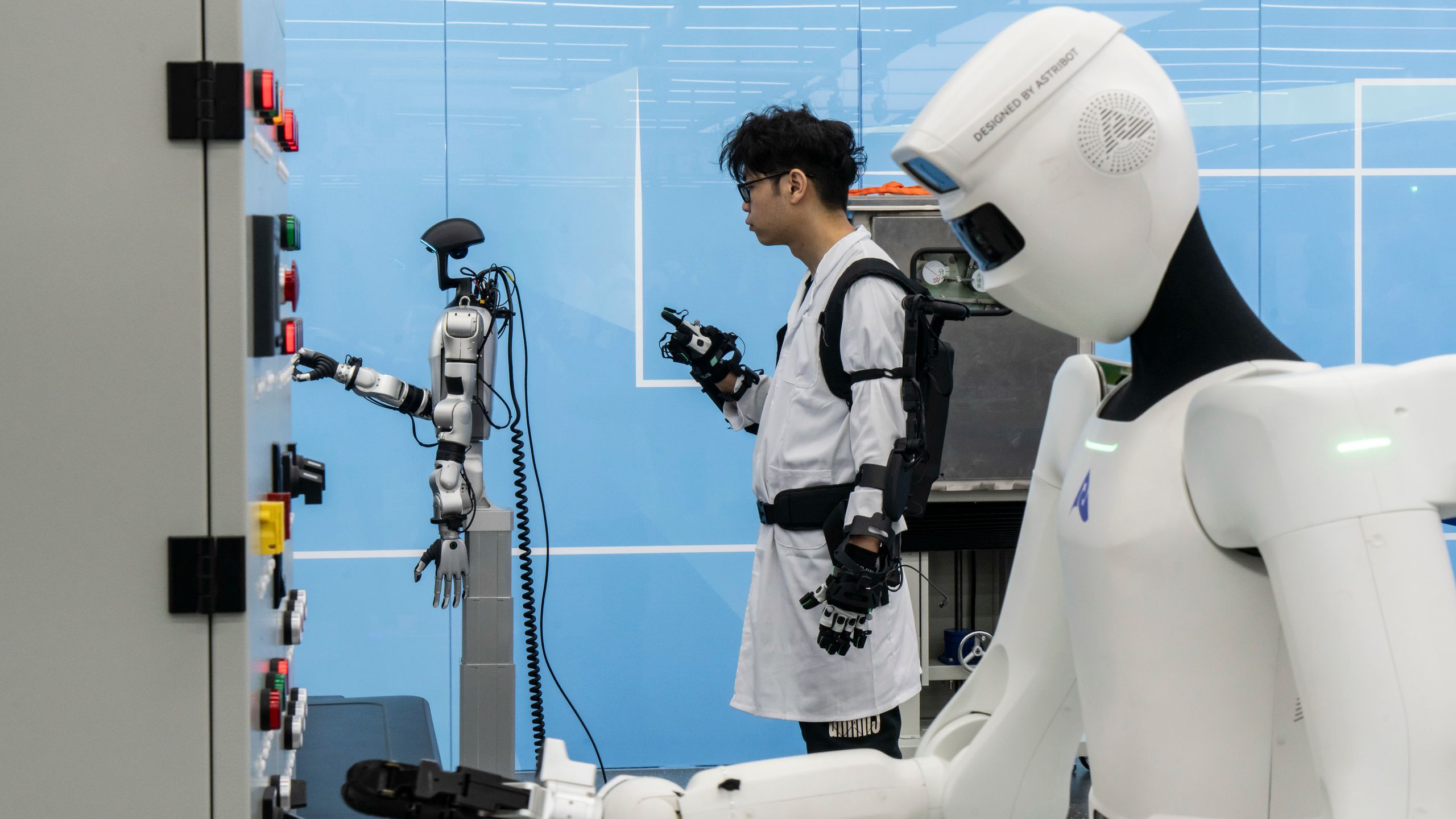
Humanoid designs promise a range of capabilities that traditional platforms cannot match. They can navigate environments built for people, climb stairs, and manipulate objects with hands. Such versatility could allow a robot to enter damaged buildings, clear debris, or provide reconnaissance in confined spaces. For a nation facing resource constraints, the allure of a machine that mimics human movement is strong. The concept also aligns with a broader trend of integrating autonomy into existing weapon systems.
Battlefield logistics and the case for simplicity
Despite the excitement, the practical demands of a war zone favor simpler, more robust machines. Wheeled platforms, drones, and remote-controlled armored vehicles already prove their worth on the front lines. They are cheaper to manufacture, require less specialized maintenance, and can be produced in large numbers. In a conflict where supply chains are under pressure, economies of scale become a decisive factor.
Advantages of simpler designs
- Lower production cost per unit
- Easier repair and parts availability
- Faster deployment and training cycles
- Proven reliability in harsh conditions
- Ability to mass-produce for widespread use
Software and AI considerations
Software and AI considerations are equally critical. Autonomous systems rely on robust perception, decision making, and communication stacks that must operate under electronic warfare conditions. Developing reliable algorithms for navigation in damaged urban terrain requires extensive testing and data collection, which can be challenging in an active conflict. Collaboration with academic institutions and private firms helps accelerate research, but integration of new AI modules into existing hardware often demands custom engineering. The need for secure updates and resilience against jamming further drives the design choices for both simple and complex platforms.
Current fleet of unmanned systems
Ukraine’s existing unmanned ground vehicle fleet includes a mix of domestically produced and donated platforms. These systems perform tasks such as mine clearance, logistics support, and reconnaissance. Their operational record demonstrates that a focus on durability and ease of maintenance yields tangible benefits on the battlefield. The success of these machines encourages further investment in robotics, while also highlighting the limits of more complex designs.
What Ukraine’s initiative could achieve
Even if full humanoid combat units remain a long-term goal, the current research may yield valuable spin-offs. Advances in sensor integration, autonomous navigation, and human-machine interface can improve existing platforms. Moreover, collaboration with international partners may accelerate technology transfer and bring expertise that strengthens the broader defense ecosystem. The knowledge gained could enhance the capabilities of wheeled UGVs, drones, and other autonomous assets.
Looking ahead
The balance between ambition and practicality will shape the future of robotic warfare. Nations that can harness the strengths of both simple, mass-produced machines and more sophisticated autonomous agents will likely hold a strategic edge. Ukraine’s exploration of humanoid robots signals a willingness to experiment while still respecting the harsh realities of combat logistics.
Takeaway
Ukraine’s interest in humanoid combat robots highlights the tension between innovative potential and the pragmatic needs of modern battlefields. Simpler, wheeled systems are likely to dominate in the near term because they offer cost efficiency, reliability, and scalability. The pursuit of humanoid technology may still drive useful advances, but success will depend on integrating these developments within a broader, practical defense strategy.