MSI Claw 8 EX AI+ at $1,800 Highlights a Growing Handheld PC Price Problem
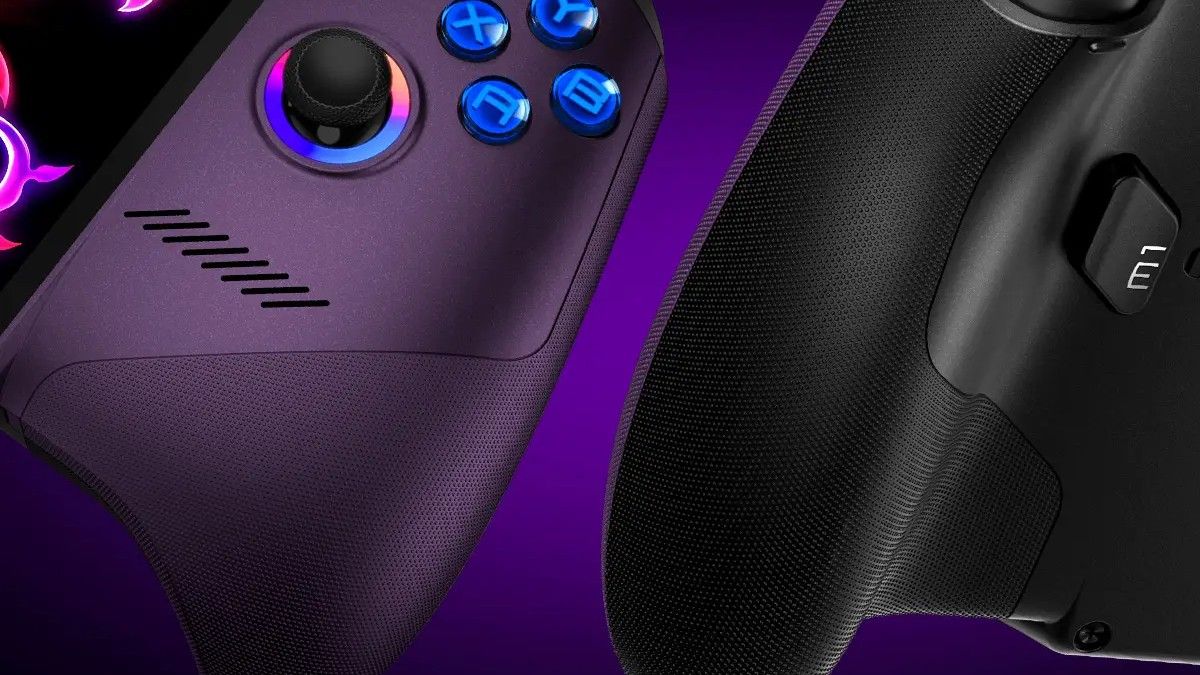
The MSI Claw 8 EX AI+ Price Tag Sparks a Handheld PC Debate
The handheld gaming PC market, once a niche playground for early adopters, is now confronting a price ceiling that feels increasingly detached from the hardware’s actual value. Recent coverage from TechRadar highlighted the MSI Claw 8 EX AI+ retailing for $1,799, a figure that dwarfs many traditional laptops and even some high‑end desktop configurations. While the device’s specifications are impressive, the price point raises questions about market positioning, consumer expectations, and the future trajectory of portable gaming hardware.
Why the $1,800 Price Feels Excessive
A Spec‑Heavy Device, Not a Luxury Item
The Claw 8 EX AI+ packs an Intel Core i7 processor, 32 GB of RAM, a 2.5K 120 Hz display, and an integrated AI accelerator designed to enhance game performance. On paper, these components rival many desktop rigs released just a few years ago. However, the same performance can be achieved in a desktop form factor for significantly less money, and even in a laptop chassis for a fraction of the price. The handheld form factor adds ergonomic and portability benefits, but those advantages do not inherently justify a price tag that approaches the cost of a premium ultrabook.
Comparison with Competing Handhelds
- Steam Deck: Priced at $399 for the base model, offering a 7‑inch 720p display and a custom AMD APU.
- ROG Ally: Starts around $699, featuring a 7‑inch 1080p display and an Intel Core i7‑1255U.
- MSI Claw 8 EX AI+: $1,799, with a larger 8‑inch 2.5K display and AI‑driven upscaling.
Even the most expensive handhelds on the market typically sit below $1,200. The Claw’s positioning therefore creates a gap that few consumers can rationalize, especially when the added AI capabilities are still in early stages of adoption.
The AI Factor: Promise vs. Practicality
The “AI+” branding suggests advanced features like AI‑enhanced resolution scaling and predictive performance tuning. While these technologies are promising, they remain largely experimental in the handheld space. Early adopters may find the AI functions more of a novelty than a necessity, making the premium feel premature.
The Broader Handheld PC Market Landscape
A Surge in Demand, A Divergence in Pricing
The pandemic sparked a surge in portable entertainment, driving demand for devices that combine the flexibility of a tablet with the power of a gaming PC. Manufacturers responded with a flood of new models, each attempting to capture a slice of this growing audience. Yet, pricing strategies have diverged dramatically. Some brands have opted for aggressive, volume‑driven pricing, while others appear to be testing the upper limits of consumer willingness to pay for cutting‑edge form factors.
Component Costs and Supply Chain Realities
The cost of high‑performance components—particularly GPUs and fast memory—has risen over the past two years due to supply constraints and increased demand from data centers. However, these pressures affect the entire PC market, not just handhelds. The Claw’s price surge cannot be solely attributed to component costs; it also reflects a strategic decision to position the device as a premium, “flagship” handheld.
Consumer Perception and Brand Loyalty
MSI enjoys a strong reputation among PC enthusiasts for its motherboards, graphics cards, and gaming laptops. This brand equity can sometimes allow a manufacturer to command higher prices. Yet, in the handheld segment, brand loyalty is still being built. Consumers are more likely to compare specs and price across platforms than to rely on a single brand’s legacy.
What This Means for Consumers and the Industry
- Budget‑Conscious Gamers: The high price of the Claw may push them toward more affordable options like the Steam Deck or ROG Ally, which already deliver solid gaming experiences at lower cost points.
- Early Adopters: Those willing to experiment with AI‑enhanced features might still find value, but they should weigh the incremental benefits against the steep investment.
- Manufacturers: The Claw’s pricing experiment could serve as a bellwether. If sales remain sluggish, other makers may reconsider their own pricing strategies, potentially leading to a market correction that benefits consumers.
- Future Handheld Innovation: As AI integration matures, the added value may become more tangible, justifying higher price tags. For now, however, the market appears to be in a transitional phase where performance, portability, and price are still being balanced.
Takeaway
The MSI Claw 8 EX AI+ illustrates how premium specifications and emerging AI features can drive a handheld’s price far beyond what most gamers consider reasonable. While the device offers impressive hardware, its $1,799 price tag outpaces comparable alternatives and risks alienating a market still defining its price expectations. Consumers should scrutinize the real-world benefits of AI enhancements before committing to such a high cost, and manufacturers may need to recalibrate their pricing models as the handheld PC segment continues to evolve.